
Zcash Halving and Its Impact on the Cryptocurrency Market
- Zcash’s 2028 halving will reduce block rewards by 50%, mirroring Bitcoin’s scarcity-driven model. - Historical data shows pre-halving price surges, fueled by FOMO and social media-driven hype cycles. - Behavioral economics highlight crypto markets’ reliance on narratives over fundamentals, with sentiment driving 30% of short-term price swings. - Zcash faces adoption challenges despite robust privacy tech, as regulatory uncertainty and competition limit its market share growth. - The 2028 event tests whet
Zcash Halving: Market Psychology and Future Prospects
The world of cryptocurrency is known for its intense speculation, where digital scarcity and investor sentiment combine to create dramatic price swings. Zcash (ZEC), a digital currency with a focus on privacy, is no stranger to these dynamics. With the next Zcash halving anticipated for late 2028, according to current projections, both traders and analysts are revisiting familiar themes: diminishing block rewards, limited supply, and the expectation that rarity will fuel demand. However, to truly grasp the impact of this event, it's essential to consider not just the numbers, but also the psychological forces at play in crypto markets.
Looking Back: Scarcity and Market Cycles
Much like Bitcoin, Zcash follows a halving schedule designed to emulate the scarcity of precious metals. Every four years, the reward for mining a new block is reduced by half, slowing the introduction of new ZEC into the market. The upcoming halving, projected for November 2028, will decrease the block reward from 1.5625 ZEC to 0.78125 ZEC per block, as current data indicates. This continues a well-established pattern: the last halving took place on November 23, 2024, with the previous one occurring in 2020.
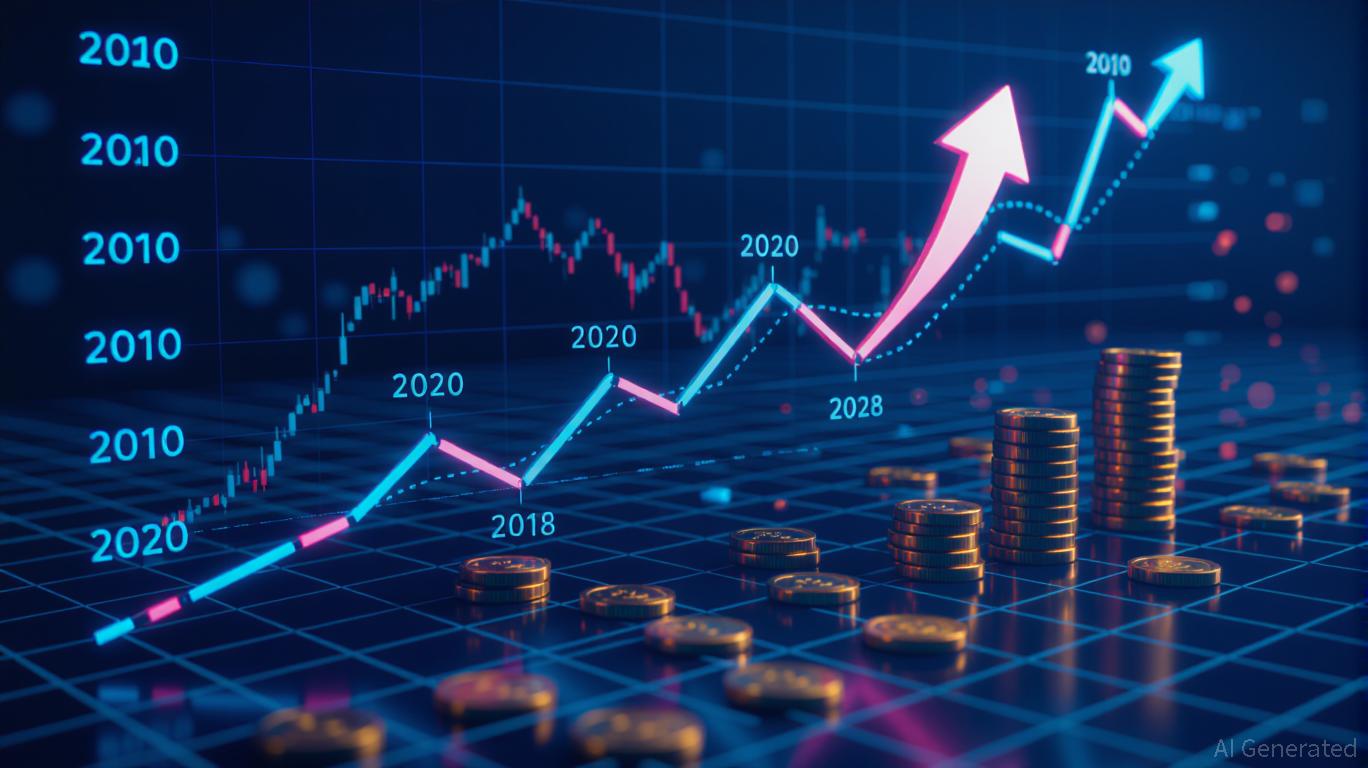
Historically, such events have often led to significant price surges in the months leading up to the halving, fueled by anticipation of a tighter supply. For instance, Bitcoin’s halvings in 2012 and 2016 were followed by extended bull markets, with prices soaring by over 800% each time. Although Zcash’s market size and adoption are more modest, the psychological narrative remains similar. Both individual and institutional investors start to factor in the belief that ZEC will become more difficult to obtain, potentially increasing its value.
Investor Psychology: FOMO and Social Influence
The behavior of crypto investors is heavily influenced by the tension between the fear of missing out (FOMO) and the narrative of increasing scarcity. As the halving date draws near, discussions on social media intensify and news coverage grows, reinforcing a cycle of excitement. This widespread attention can create a feedback loop: the more the halving is discussed, the more investors believe it will impact prices.
While Warren Buffett’s advice to "be fearful when others are greedy and greedy when others are fearful" may seem outdated in this context, the crypto market often thrives on collective enthusiasm rather than contrarian thinking. Research from the University of California, Berkeley, suggests that social media sentiment can explain up to 30% of short-term price changes in cryptocurrencies. When the prevailing story becomes "Zcash is getting scarcer," many investors follow the crowd, sometimes without a full understanding of the technical details.
Long-Term Perspective: Value and Patience
For those with a long-term outlook, the halving is a test of discipline and belief in the asset. Timeless investment strategies, such as those described by Peter Lynch in Beating the Market, stress the importance of acquiring undervalued assets and holding them through market cycles. The Zcash halving could serve as a catalyst for value preservation, especially if reduced supply leads to broader adoption or attracts institutional players.
Nevertheless, the privacy coin sector is highly fragmented. Zcash’s use of zero-knowledge proofs (ZK-SNARKs) gives it a technological advantage, but its adoption has lagged behind that of Bitcoin and Ethereum. According to a Bloomberg report, despite Zcash’s strong technology, its market share has stagnated due to regulatory challenges and competition from newer privacy-focused cryptocurrencies. This prompts a crucial question: Will the 2028 halving mark a new era for Zcash, or will it simply repeat previous cycles of excitement and disappointment?
Looking Forward: Navigating Hype and Reality
The 2028 halving is set to be a significant milestone for Zcash. However, investors should approach the event with a balance of hope and caution. While the parallels to Bitcoin’s history are intriguing, Zcash operates within a unique environment. Its future will depend not only on programmed scarcity, but also on its practical use, regulatory developments, and broader economic trends.
As anticipation builds, the lessons of behavioral economics remain highly relevant. The upcoming halving could ignite a rally, but it might also highlight the speculative nature of the crypto market. Ultimately, the event serves as a reminder that in the digital asset space, the distinction between genuine innovation and mere hype is often subtle and easily blurred.
Disclaimer: The content of this article solely reflects the author's opinion and does not represent the platform in any capacity. This article is not intended to serve as a reference for making investment decisions.
You may also like
The USE.com Presale Heats Up as Early Contributors Position for a High-Impact Exchange Launch

The Rapid Downturn of COAI: An In-Depth Analysis of Market Drivers and Effects on Investors
- COAI index plummeted 88% in 2025 due to governance failures, regulatory ambiguity, and systemic AI-driven risks. - C3.ai's leadership crisis and $116.8M loss triggered investor panic, while CLARITY Act's unclear regulations deepened uncertainty. - AI's role in synchronized market swings and fragmented oversight amplified COAI's collapse, exposing systemic vulnerabilities. - Behavioral biases like herd behavior accelerated sell-offs, underscoring the need for diversified portfolios and robust regulatory f
Crypto: 23,561 Billion SHIB Moved in 24H — Manipulation or Glitch?
Jupiter Lend Clarifies Earlier 'Zero Contagion' Statement Was Not Accurate
Trending news
MoreCrypto prices
More





