
Tether overtakes South Korea in US Treasury holdings

- Tether holds more Treasuries than sovereign countries
- Tether's reserves exceed liabilities and reinforce solidity
- Tether's quarterly profit hits $4,9 billion
Tether has solidified its position as one of the largest holders of U.S. Treasury securities, surpassing nations such as South Korea, Germany, and the United Arab Emirates. The issuer of the USDT stablecoin now holds over $127 billion in U.S. debt, including $105,5 billion in direct holdings and $21,3 billion in indirect positions.
According to a survey by Messari, the company led by Paolo Ardoino rose in the global rankings by adding approximately US$8 billion to its securities portfolio in the second quarter of 2025. This move positions Tether as the only private company among the major institutional holders of this type of asset.
Move over, sovereign nations.
In addition to the increase in reserves, the report The most recent financial report highlights that Tether's total assets reached $162,6 billion, compared to $157,1 billion in liabilities. The company also maintains $5,47 billion in equity capital, which serves as a buffer for asset protection. Treasury securities continue to be the primary collateral for USDT, ensuring liquidity and low risk exposure.
Tether's financial performance was also robust in the second quarter. The company reported net income of approximately $4,9 billion, driven by the profitability of its Treasury securities reserves and the appreciation of its Bitcoin holdings. Year-to-date, total profit reached $5,7 billion—$3,1 billion of which came from recurring revenue and $2,6 billion from mark-to-market gains.
Part of this profit has been reinvested in strategic initiatives. To date, the company has allocated approximately US$4 billion to projects such as XXI Capital and Rumble Wallet, strengthening its presence in infrastructure and decentralized financial solutions in the United States. Tether's growth as a financial powerhouse extends beyond the stablecoin market, highlighting its growing influence in the global financial system.
Disclaimer: The content of this article solely reflects the author's opinion and does not represent the platform in any capacity. This article is not intended to serve as a reference for making investment decisions.
You may also like
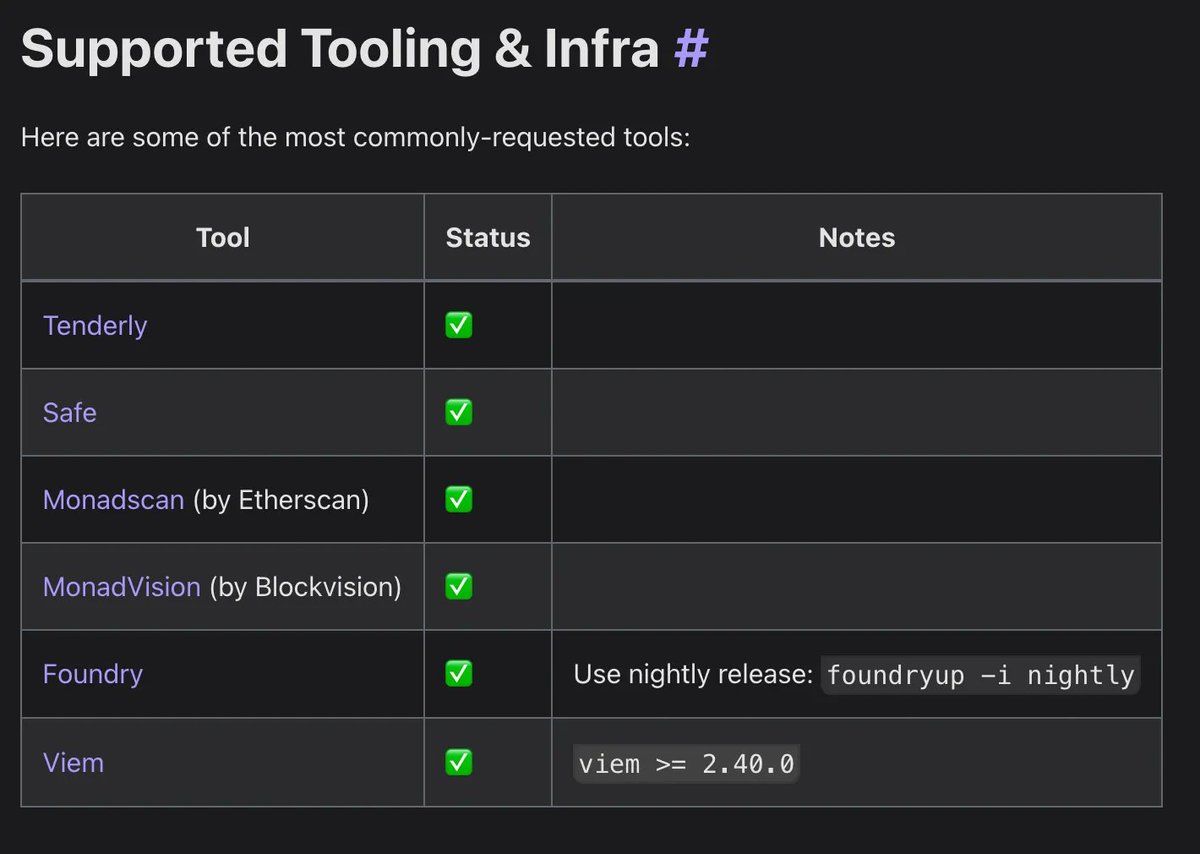
Monad Practical Guide: Welcome to a New Architecture and High-Performance Development Ecosystem
This article will introduce some resources to help you better understand Monad and start developing.
Alphabet’s TPUs Emerge as a Potential $900 Billion Chip Business
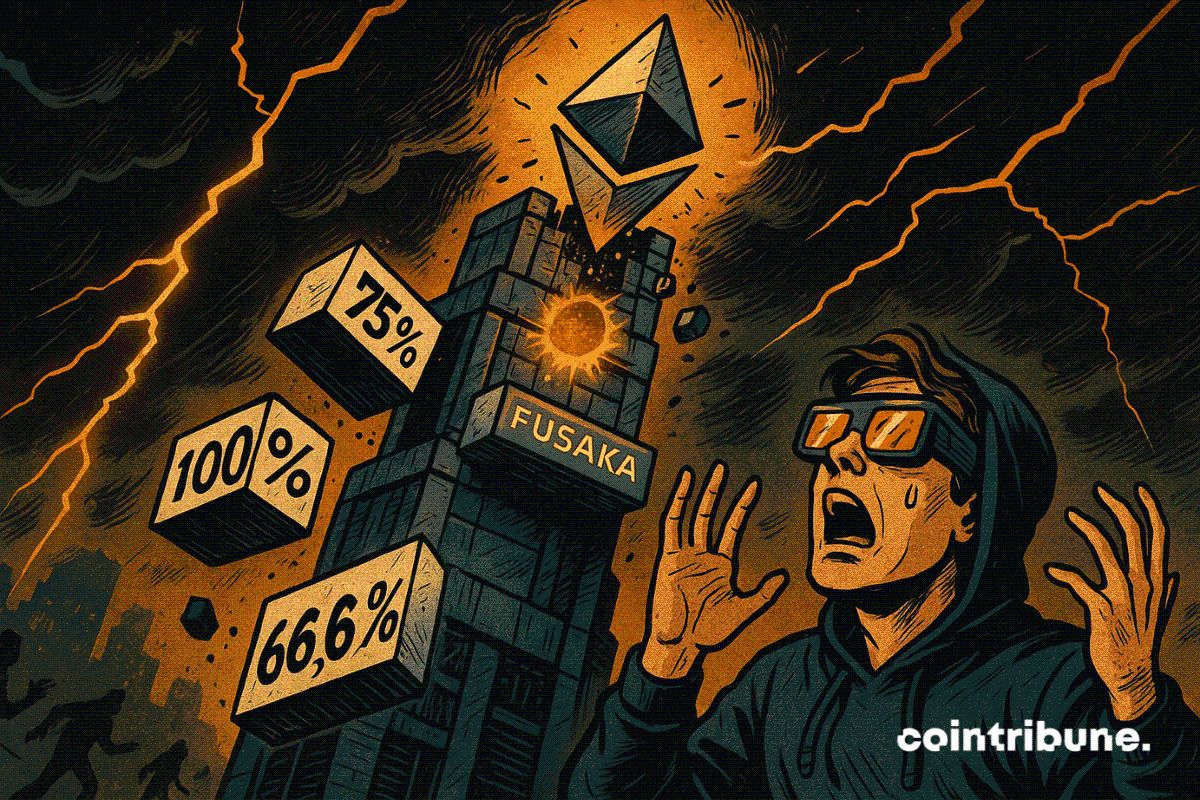
Ethereum Loses 25% of Validators After Fusaka: The Network Nears a Critical Failure

US Stablecoin Rules Are Splitting Global Liquidity, CertiK Warns
Trending news
MoreCrypto prices
More





