
ID -11.63% 24H Due to Sharp Volatility
- ID plunged 11.63% in 24 hours to $0.1609, following a 1355.82% 7-day surge but a 6063.73% annual decline. - Sharp volatility triggered stop-loss orders and profit-taking, with analysts warning of continued short-term turbulence. - Technical indicators show a bearish "death cross" and overbought divergence, with key support levels at $0.15 and $0.12 under scrutiny. - A backtesting strategy proposes long-position triggers after 10%+ drops, evaluating risk-adjusted returns through defined entry/exit rules.
On AUG 30 2025, ID dropped by 11.63% within 24 hours to reach $0.1609, marking a significant correction in a volatile market. Over the past 7 days, the asset surged by 1355.82%, while over a 30-day period, it climbed by 514.39%. However, over the past year, ID has declined by 6063.73%, highlighting the asset’s extreme price fluctuations and structural instability.
Market participants have closely monitored the behavior of ID over recent trading sessions, particularly its sharp one-day drop following a multi-week rally. The asset’s 24-hour decline appears to have triggered stop-loss orders and profit-taking from short-term traders, compounding downward momentum. Analysts project that further short-term volatility is likely as the market re-evaluates long-term fundamentals.
Technical indicators suggest the asset is currently in a bearish phase, with RSI and MACD signaling overbought conditions in the prior week and now showing sharp divergence. The 50-day moving average has crossed below the 200-day line, forming a bearish "death cross" pattern. Traders are closely watching whether ID can retest key support levels at $0.15 and $0.12, where additional sell pressure or stabilizing buy interest may emerge.
Backtest Hypothesis
A potential backtesting strategy for ID involves identifying and acting on sharp price declines. Given the recent 10% drop within a single trading session, it is reasonable to consider whether a long-position strategy triggered by such an event would yield a statistically meaningful return. A standard approach would involve opening a long position at the next day’s open following a 10% or greater decline.
To simulate this strategy, precise entry and exit rules must be defined. For example, entry could be triggered by a 10% drop from the previous close, with a fixed exit after five trading days or upon achieving a 5% profit. Position sizing can be equal-weighted or adjusted to reflect real-world capital constraints. Once these parameters are confirmed, the backtest can be executed, and results analyzed for risk-adjusted return metrics, such as Sharpe ratio, maximum drawdown, and win rate.
Disclaimer: The content of this article solely reflects the author's opinion and does not represent the platform in any capacity. This article is not intended to serve as a reference for making investment decisions.
You may also like
Interview with VanEck Investment Manager: From an Institutional Perspective, Should You Buy BTC Now?
The support levels near $78,000 and $70,000 present a good entry opportunity.

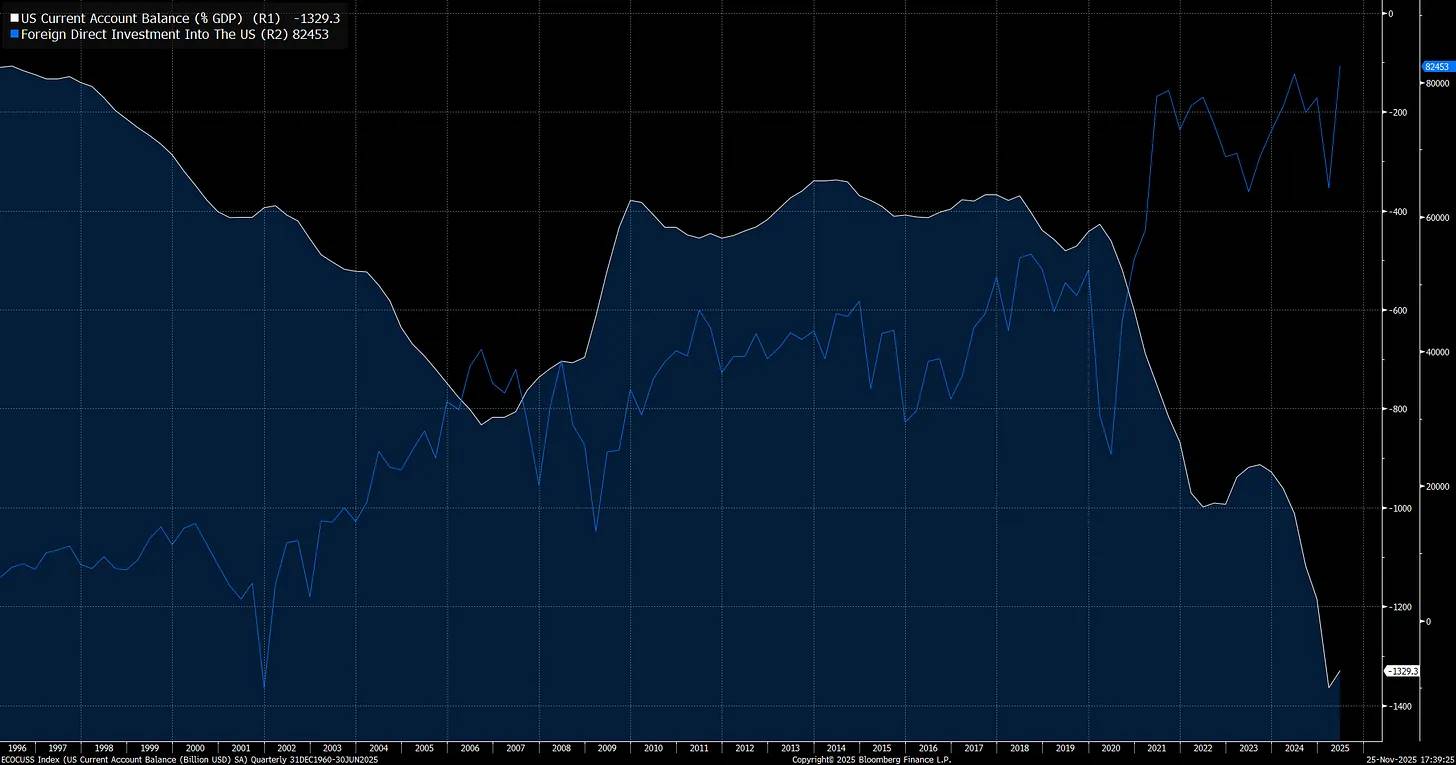
Macroeconomic Report: How Trump, the Federal Reserve, and Trade Sparked the Biggest Market Volatility in History
The deliberate devaluation of the US dollar, combined with extreme cross-border imbalances and excessive valuations, is brewing a volatility event.
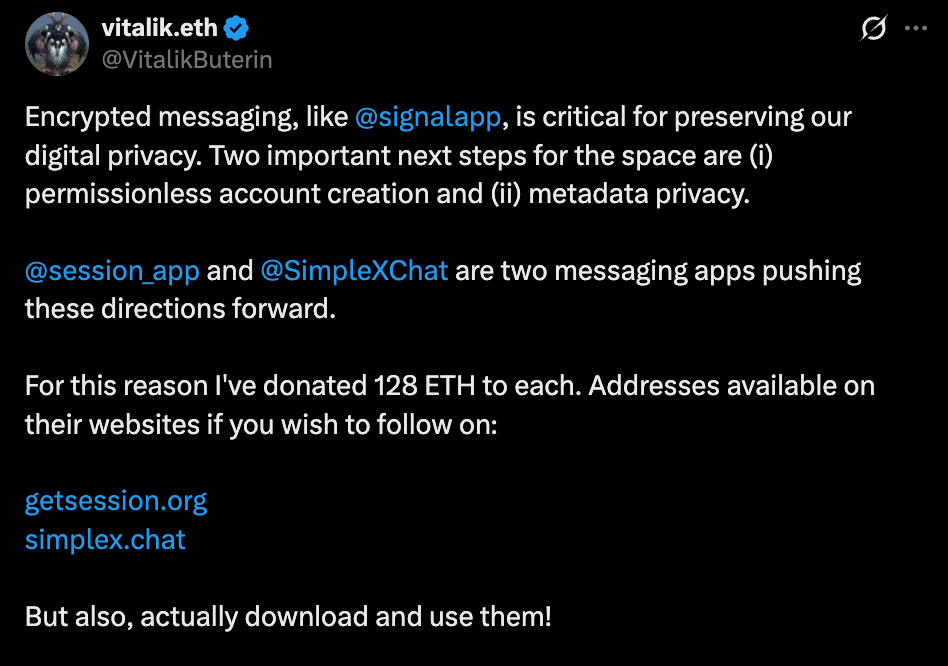
Vitalik donated 256 ETH to two chat apps you've never heard of—what exactly is he betting on?
He made it clear: neither of these two applications is perfect, and there is still a long way to go to achieve true user experience and security.
Prediction Market Supercycle

Trending news
MoreCrypto prices
More






