
XRP's Institutional Breakthrough: Flare's XRPFi Model and the Future of Corporate Treasury Yield
- Flare Network’s XRPFi model tokenizes XRP into FXRP, enabling DeFi integration and unlocking $236M TVL for institutional yield strategies. - Partnerships with BitGo/Fireblocks and $100M+ institutional commitments (e.g., VivoPower) highlight XRP’s shift from payments to corporate treasury asset. - TVL surged 410% YoY via protocols like Clearpool and Sceptre, with 56% in RWA/liquid staking, driven by 4-7% yields and USD₮0 stablecoin liquidity. - A 2.2B FLR incentive program targets $236M TVL growth, redefi
The institutional-grade digital asset yield landscape is undergoing a seismic shift, driven by Flare Network’s XRPFi model. By tokenizing XRP into FXRP and enabling its integration into decentralized finance (DeFi), Flare has unlocked a $236 million Total Value Locked (TVL) ecosystem, positioning XRP as a scalable solution for corporate treasuries and institutional capital [2]. This innovation addresses a critical gap in XRP’s utility—its lack of native smart contract capabilities—while preserving security and regulatory clarity [1].
Institutional Adoption: A Catalyst for XRP’s Evolution
Flare’s FAssets protocol tokenizes XRP into FXRP, a fully collateralized, non-custodial asset on an EVM-compatible chain. This allows institutions to deploy XRP in yield-generating strategies such as liquid staking (via stXRP), lending pools, and automated compounding without sacrificing custody [2]. The model’s institutional appeal is amplified by partnerships with custodians like BitGo and Fireblocks, which provide real-time crime monitoring and compliance tools [2]. For example, NASDAQ-listed VivoPower committed $100 million in XRP to Flare’s Firelight Protocol, leveraging FXRP for institutional yield strategies [2]. Similarly, Everything Blockchain Inc. adopted XRPFi for corporate treasuries, recognizing XRP’s potential as a self-sustaining asset [3].
Yield Strategies and TVL Growth: A Data-Driven Case
Flare’s TVL has surged 410% year-over-year, reaching $134 million by February 2025 [4]. This growth is driven by protocols like Clearpool’s T-POOL (31.66% of TVL) and Sceptre’s Liquid Staking (26.15% of TVL), which offer yields between 4% and 7% [5]. The Flare Time Series Oracle (FTSO) ensures price stability by providing decentralized feeds, while USD₮0, an omnichain stablecoin, enhances liquidity [1]. Notably, real-world asset (RWA) and liquid staking strategies now account for 56% of TVL, underscoring institutional demand for XRP-based yield [5].
Strategic Incentives and Market Positioning
Flare’s 2.2 billion FLR incentive program further accelerates liquidity in protocols like FXRP, FBTC, and FDOGE, targeting TVL growth to $236 million [2]. This strategy not only attracts institutional capital but also reinforces XRP’s role as a corporate treasury asset. By bridging XRP’s limitations with DeFi’s composability, Flare is redefining XRP’s utility, transforming it from a payments-focused asset into a cornerstone of institutional-grade yield strategies [1].
Conclusion: A Paradigm Shift in Digital Asset Management
The XRPFi model exemplifies how blockchain infrastructure can bridge the gap between traditional finance and DeFi. With institutional partnerships, robust security, and a 410% TVL surge, Flare has positioned XRP as a viable alternative to cash-heavy treasuries. For investors, this represents a unique opportunity to capitalize on XRP’s evolving role in a $236 million ecosystem, where yield generation and regulatory compliance converge [2][5].
Source:
[1] An Introduction to XRP DeFi - Flare Network
[2] XRP's Institutional Yield Revolution: Flare's XRPFi Framework
[3] Flare Gains Institutional Traction as Everything Blockchain Adopts XRPFi Framework
[4] Flare ($FLR) Targets $0.03 on Institutional & DeFi Momentum
[5] Flare DeFi Hub: A closer look at the 400% growth
Disclaimer: The content of this article solely reflects the author's opinion and does not represent the platform in any capacity. This article is not intended to serve as a reference for making investment decisions.
You may also like
Stablecoin Legislation Booms Globally, Why Is China Taking the Opposite Approach? An Article to Understand the Real National Strategic Choices
Amid the global surge in stablecoin legislation, China has chosen to firmly curb stablecoins and other virtual currencies, while accelerating the development of the digital yuan to safeguard national security and monetary sovereignty. Summary generated by Mars AI. This summary is produced by the Mars AI model and its accuracy and completeness are still being iteratively improved.
Liquidity migration begins! Japan becomes the Fed's "reservoir," 120 billions in carry trade returns set to ignite the December crypto market
The Federal Reserve has stopped quantitative tightening and may cut interest rates, while the Bank of Japan plans to raise rates, changing the global liquidity landscape and impacting carry trades and asset pricing. Summary generated by Mars AI. This summary is produced by the Mars AI model, and the accuracy and completeness of its content are still under iterative improvement.

Weekly Hot Picks: Bank of Japan Sends Strongest Rate Hike Signal! Is the Copper Market Entering a Supercycle Rehearsal?
The leading candidate for Federal Reserve Chair is being questioned for potentially "accommodative rate cuts." Copper prices have reached a historic high, and a five-hour meeting between the United States and Russia ended without results. Expectations for a Japanese interest rate hike in December have surged, and Moore Threads' stock soared more than fivefold on its first day... What market moves did you miss this week?
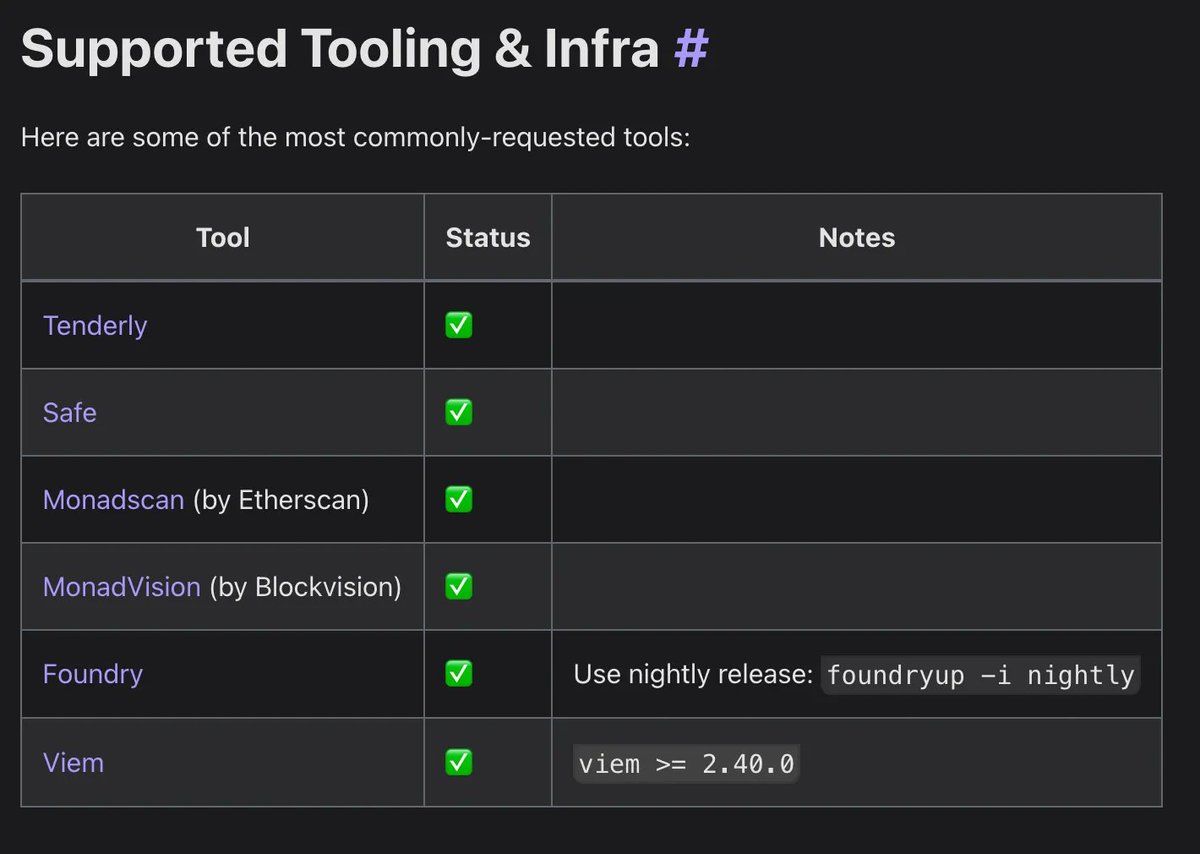
Monad Practical Guide: Welcome to a New Architecture and High-Performance Development Ecosystem
This article will introduce some resources to help you better understand Monad and start developing.
Trending news
MoreCrypto prices
More





