
Quantum computing evolves, SEC urged to defend crypto

The U.S. SEC’s Crypto Asset Task Force is reviewing a proposal to protect digital assets against the dangers of quantum computing decryption.
- The SEC Crypto Asset Task Force has received a proposal titled the “Post-Quantum Financial Infrastructure Framework” designed to provide a roadmap for protecting crypto assets from quantum computing attacks.
- Experts warn of “Q Day” which will see the evolution of quantum computing technology to the point where it is able to infiltrate Bitcoin wallets.
In a proposal submitted to the federal agency, Daniel Bruno Corvelo Costa presents the SEC Crypto Asset Task Force with a roadmap to protect the “U.S. digital asset ecosystem” from the dangers of decryption via quantum computing .
“We believe that a structured approach is needed to neutralize the forward-looking threat of quantum computing, and we present this framework as a starting point for that critical work,” wrote Costa in the proposal.
The 74-page framework outlines a roadmap for transitioning the cryptographic foundations of digital assets and upgrade them so that they become quantum-resistant standards.
If such measures to quantum-proof crypto assets are not taken, Costa warns regulators that trillions of dollars in digital assets are in danger of being exposed once quantum attacks succeed in breaking through current encryption methods.
Some of the recommendations presented in the proposal include automated vulnerability assessments of digital asset platforms, prioritization of high-risk systems like institutional wallets and exchanges and a phased migration using classical and post-quantum cryptography.
The plan also refers to the National Institute of Standards and Technology or NIST standards updated in 2024. It also warns of the dangers of the budding “Harvest Now, Decrypt Later” strategy, where bad actors collect encrypted data today so that they may decrypt it with quantum machines in the future.
Quantum computing is considered by many as a threat to cryptocurrency, as enough computing power could very well crack the Bitcoin ( BTC ) encryption and infiltrate wallets. Such an occurrence is dubbed by many as “Q Day.”
“Establishing a quantum-resilient digital asset ecosystem is needed to secure investor assets and ensuring the long-term integrity of US capital markets,” wrote Costa in the proposal
Seeing as how the U.S. government has ambitions to build a national crypto reserve , measures to quantum-proof its holdings become more vital than ever before.
How much time do we have until quantum computing cracks Bitcoin?
In a previous interview with crypto.news, founder and CEO of the decentralized post-quantum infrastructure Naoris Protocol David Carvalho explained that there is less time than people think when it comes to how long it will take before quantum computing technology can hack into BTC’s encryption.
He predicted that it will take less than five years for the technology to catch up.
“We’ll get to a point where quantum computers have enough qubits and sufficient error correction to be a real threat to ECDSA encryption,” said Carvalho.
Moreover, he explained that once the encryption can be cracked, then it’ll be a matter of time before bad actors take advantage of the technology to target large dormant wallets, such as Satoshi’s BTC trove. Next, they will go after the smaller wallets.
“The most frightening thing about quantum is that when we get to “Q-Day”, the attacks will be swift, quite possibly simultaneous, and certainly devastating,” he said.
“And most importantly, retroactive, meaning that even transactions that have been signed and executed could be at risk,” continued Carvalho, adding that wallets and blockchains will have to take preemptive measures to quantum-proof their holdings.
He believes that the world’s best bet for preparing for Q Day lies in the hands of BlackRock, as one of the largest institutions that hold BTC, and the U.S government.
“But they better do it quickly,” said Carvalho.
Most recently, a quantum computer in China was able to break through 22‑bit RSA integer using a quantum computer, breaking the previous 19-bit record. Back in May, BlackRock also issued a warning to investors about the potential security risks related to Bitcoin’s encryption.
Disclaimer: The content of this article solely reflects the author's opinion and does not represent the platform in any capacity. This article is not intended to serve as a reference for making investment decisions.
You may also like
Pudgy Penguins NFT surpasses Bored Ape in one month: A quick overview of what the PENGU token is
PENGU is the official token of the Pudgy Penguins NFT series and will be launched on the Solana blockchain by the end of 2024. Pudgy Penguins is an NFT project featuring 8,888 unique penguin images, initially released on Ethereum, and has now become the second-largest NFT project by market capitalization. The launch of PENGU aims to expand the community, attract new users, and is planned for deployment on multiple blockchains. The total token supply is 88,888,888,888, allocated to the community, liquidity pools, project team, and others. Solana was chosen to reach a new audience and leverage its fast transactions and low-cost advantages. Summary generated by Mars AI This summary is generated by the Mars AI model, and the accuracy and completeness of its content are still in the process of iterative improvement.

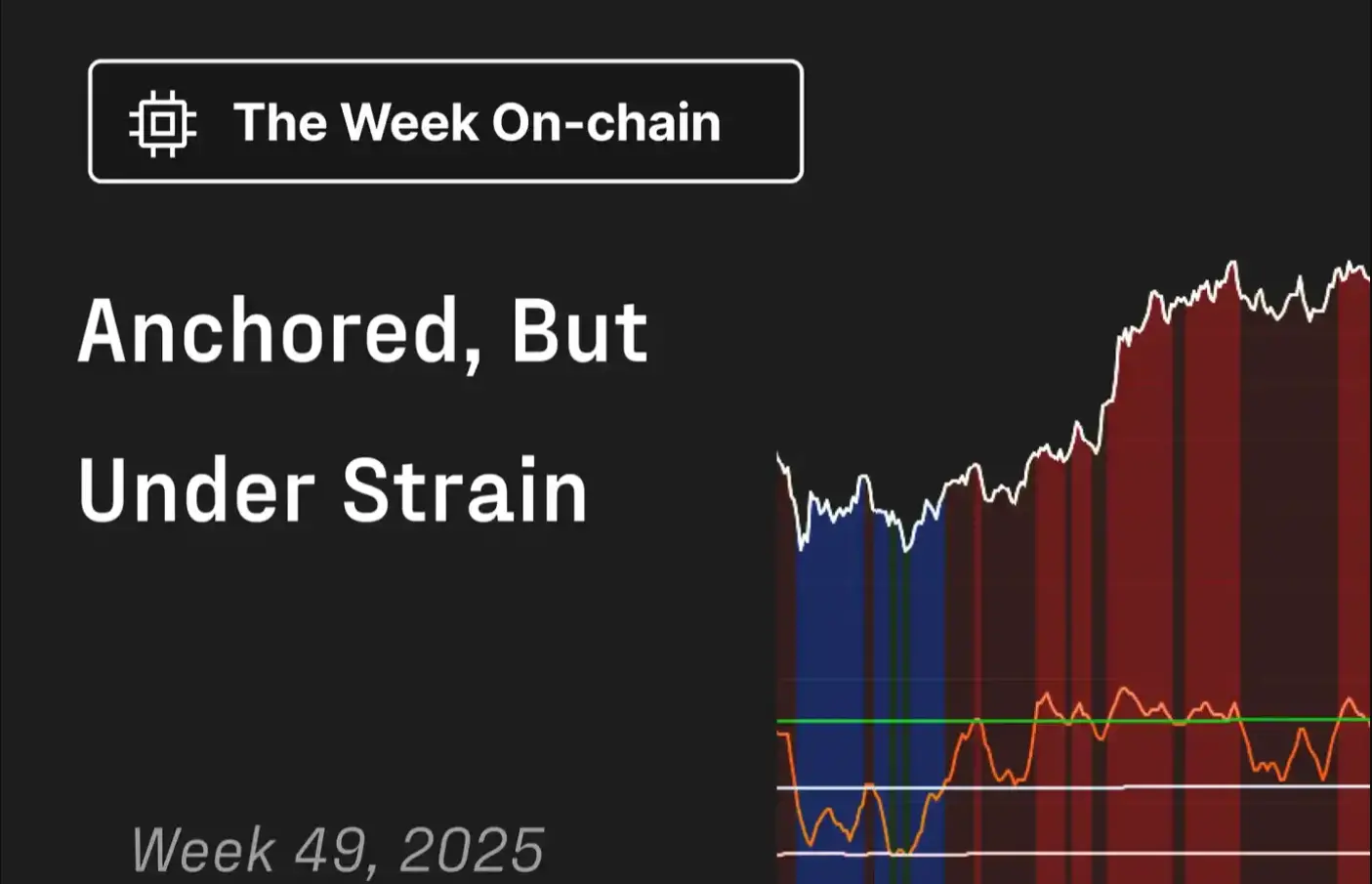
Glassnode: Bitcoin Weakly Fluctuates, Is Major Volatility Coming?
If signs of seller exhaustion begin to appear, a short-term move towards $95,000 and the short-term holder cost basis is still possible.
Should You Still Believe in Crypto
No industry has always been right from the beginning, until it truly changes the world.

Zeus unveils institutional-grade MPC infrastructure blueprint at Solana Breakpoint 2025, enabling Bitcoin to enter Solana’s on-chain capital markets
The focus will now shift to building MPC tools and providing support for developers, driving the creation of more native UTXO applications on Solana.
Trending news
MoreCrypto prices
More





