
Bitcoin Fear Index at 44: Is a Downturn Coming or Is This a Chance to Invest?
- Bitcoin Fear & Greed Index fell to 44 (fear zone) on Sep 25, 2025, driven by $1.6B liquidations and ETF outflows amid macroeconomic uncertainty. - Market corrections saw Bitcoin drop 5% to $114,353, with leveraged trading and margin calls amplifying downward pressure across crypto assets. - Digital asset treasuries (DATs) face mNAV compression below 1.0, exposing structural risks like debt servicing and regulatory scrutiny under 1940 Act. - Analysts highlight "Uptober" potential but caution Fed policy an

The
This shift in sentiment aligns with Bitcoin’s price falling 5% over the week to $114,353, alongside broader corrections in
Historically, the Fear & Greed Index has been a key indicator of market cycles. During the 2020–2021 bull market, the index often surpassed 70, signaling strong optimism, while sharp dips below 40 came before major downturns. For example, the index hit fear levels in March 2020 during the pandemic panic, then rebounded as Bitcoin reached new highs. The current score of 44 may mark a turning point, with some analysts suggesting that fear-driven markets can present buying opportunities as assets become undervalued. Still, the neutral range (30–50) also points to a phase of consolidation, where investors may hold back until there is more certainty about economic and regulatory conditions.
The recent drop in sentiment has also highlighted weaknesses in the digital asset treasury (DAT) model, where firms raise funds to acquire cryptocurrencies. Many DATs, such as BitMine and SharpLink Gaming, have seen their market-to-net-asset-value (mNAV) ratios fall below 1.0, restricting their ability to issue new shares or grow their holdings. This squeeze on mNAVs signals broader investor doubt and market saturation, as over 150 public companies have adopted similar approaches. Standard Chartered has cautioned that falling mNAVs could drive consolidation in the sector, benefiting larger firms with access to cheaper capital and staking returns. Meanwhile, critics warn that DATs face ongoing risks, including debt repayment issues and increased regulatory attention under the Investment Company Act of 1940.
Looking forward, the market is watching for events that could shift sentiment. While the idea of “Uptober”—a trend of October price gains—has gained popularity, analysts warn that fundamental factors like Federal Reserve policy and inflation data will ultimately shape Bitcoin’s direction. The introduction of new crypto ETFs and legislative progress could provide positive momentum, but leveraged trading and corporate treasury strategies remain fragile. As the Fear & Greed Index hovers near key levels, investors are encouraged to balance caution with strategic opportunities, especially in a market where sentiment can quickly drive significant price changes.
Source: [1] Live Crypto Fear and Greed Index (Updated: Sep 25, 2025) [2] Bitcoin, XRP, and Ethereum Are Falling. Here Are the 3 Main … [3] Is the Fear Index at 44 Hiding Bitcoin's Next Surge? [4] Digital Asset Treasuries Face mNAV Collapse, Standard Chartered … [5] Digital Asset Treasuries in 2025: Bitcoin Leverage, …
Disclaimer: The content of this article solely reflects the author's opinion and does not represent the platform in any capacity. This article is not intended to serve as a reference for making investment decisions.
You may also like
Bitcoin’s Sharp Decline: What Sparks Anxiety During a Bullish Market?
- Bitcoin's 2025 bull market collapsed 30% to $83,824 amid Fed policy shifts and liquidity contractions, defying typical risk-on dynamics. - A 0.72 correlation to Nasdaq 100 and $19B leveraged liquidation event exposed Bitcoin's vulnerability to macro risks and institutional sentiment shifts. - AI-driven algorithms and algorithmic feedback loops amplified volatility, with Treasury yields and dollar strength triggering cascading sales. - Market psychology metrics (Fear & Greed Index, stablecoin outflows) an

Infrastructure Initiatives Fuel Real Estate Growth in Upstate New York: The Impact of Local Government Projects on Industrial Market Transformation
- Webster , NY leveraged a $9.8M FAST NY grant to transform a 300-acre Xerox brownfield into a high-tech industrial hub, slashing vacancy rates to 2%. - Infrastructure upgrades attracted food processing and semiconductor firms , with a $650M fairlife® dairy plant expected to create 250 jobs by 2025. - Strategic site readiness and pre-leased industrial space at the NEAT site reduced investor risk, driving 10.1% residential property value growth since 2023. - The model highlights underpenetrated markets' pot

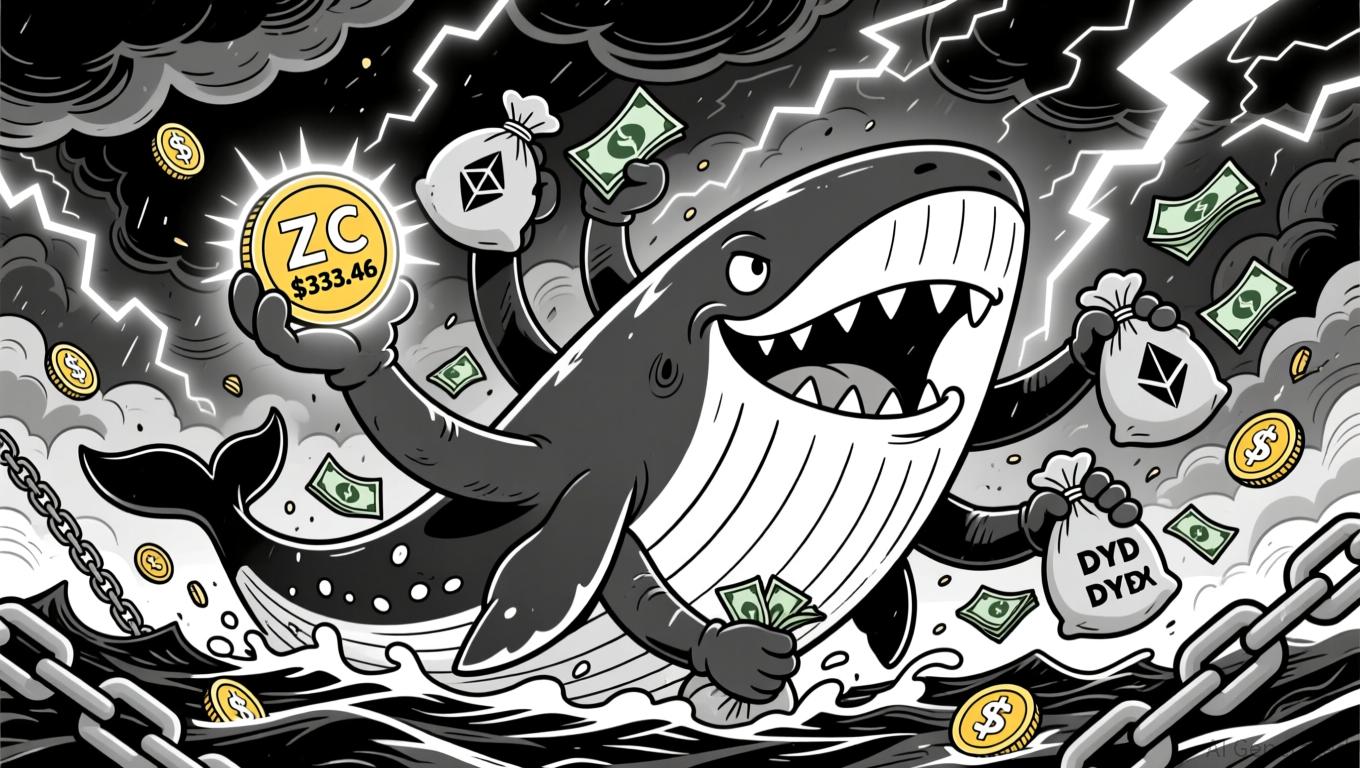
ZEC Rises 4.81% After Major Investor Increases Long Position with 10x Leverage
- ZEC surged 4.81% in 24 hours to $330.5 amid a whale's 10x leveraged long position on HyperLiquid targeting $333.46. - The whale also holds 20x ETH and 5x DYDX longs but faces $2.7M total losses, highlighting risks of leveraged trading during crypto volatility. - Grayscale's ZEC ETF filing and Chainlink's ETF launch signal growing institutional interest in altcoins, potentially boosting ZEC liquidity and demand. - ZEC's 482.71% annual gain contrasts with 27.45% weekly drop, reflecting its cyclical nature
Amazon takes on rivals by introducing on-site Nvidia ‘AI Factories’
Trending news
MoreCrypto prices
More






