
US government shutdown stalls cryptocurrency ETF approvals

during the US government shutdown, regulatory agencies can still take action against fraudulent behavior and market emergencies, but daily work will be stalled. Initial public offerings (IPOs), ETFs, and other registration documents may be delayed, rule-making work may be suspended, and non-essential staff are usually temporarily laid off.
Since spot ETFs need formal approval from the SEC's Division of Corporation Finance to start trading, the expected issuance plans for spot ETFs of cryptocurrencies such as Litecoin, Solana, and XRP may have to wait until government funding is restored.
Bloomberg ETF analyst Eric Balchunas said, "It's like a game paused due to rain." This situation is confirmed by the following events: when "Crypto In America" contacted the SEC to clarify related matters, a spokesperson said that the government shutdown limited their ability to respond to media inquiries.
Earlier this week, after the SEC approved general listing standards, several cooperating exchanges of cryptocurrency ETF issuers were required to withdraw their 19b-4 filings - these filings are no longer required after the general standards were introduced. Based on these standards, cryptocurrency ETFs can be rolled out, which means that once the government shutdown ends, a wave of ETF issuances may occur.
Disclaimer: The content of this article solely reflects the author's opinion and does not represent the platform in any capacity. This article is not intended to serve as a reference for making investment decisions.
You may also like
$RAVE TGE Countdown: When Clubbing Becomes an On-Chain Economic Activity, the True Web3 Breakthrough Moment Arrives
RaveDAO is rapidly growing into an open cultural ecosystem driven by entertainment, becoming a key infrastructure for Web3 to achieve real-world adoption and mainstream breakthrough.
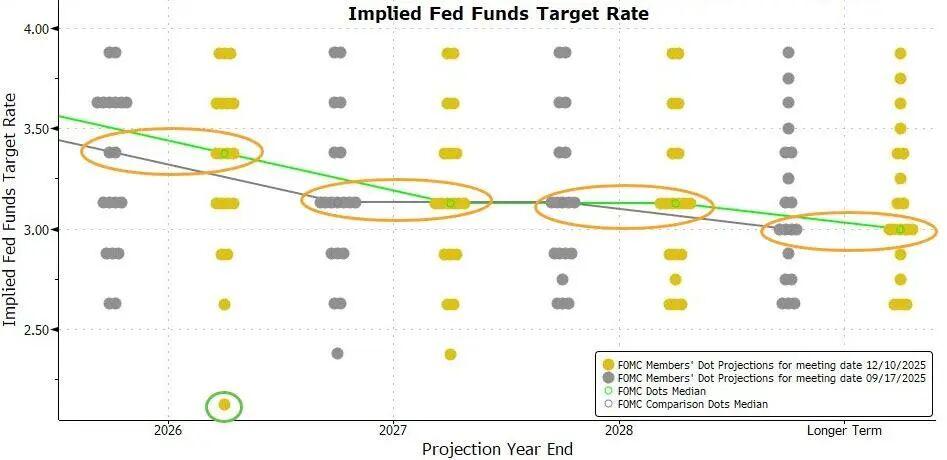
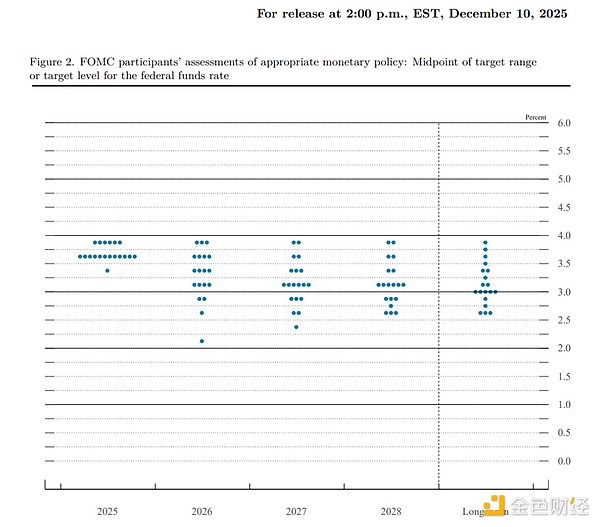
A "hawkish rate cut" that's not so "hawkish," and balance sheet expansion that's "not QE"
The Federal Reserve has cut interest rates by another 25 basis points as expected, still projecting one rate cut next year, and has launched an RMP to purchase $40 billion in short-term bonds.
Historic Fundraising: Real Finance Attracts $29 Million to Revolutionize RWAs
Trending news
MoreCrypto prices
More





