
Ferrari’s Electric-Blockchain Fusion: Redefining Prestige in a Transformed Automotive Age
- Ferrari accelerates EV transition via SK On battery partnership and blockchain-powered 499P auction, targeting 2026 EV launch with 530 km range. - Tokenized Hyperclub auction with Conio accepts crypto payments, expanding luxury access for 100 elite clients while leveraging 2025 crypto wealth growth. - Strategic balance of heritage and innovation includes Hot Wheels F1 models, €2B share buybacks, and hybrid EV approach to counter Porsche's 99% profit drop. - CEO Vigna emphasizes redefining luxury ownershi
Ferrari NV (NYSE: RACE) is ramping up its efforts in electric vehicles and digital transformation, announcing a collaboration with SK On for advanced EV batteries and introducing a blockchain-based auction for its iconic 499P
The automaker’s inaugural high-performance electric vehicle, slated for release in 2026, will utilize SK On’s high-nickel battery technology, offering a range of 530 km per charge. The battery is engineered to be part of the vehicle’s chassis, boosting both structural integrity and impact resistance—a detail revealed during

At the same time, Ferrari is utilizing blockchain technology to grow its Hyperclub, an exclusive circle of 100 members, through a
Ferrari’s brand presence also extends into the world of collectibles. Mattel’s
These developments come as the electric vehicle sector faces challenges. Porsche AG experienced a
Ferrari’s approach highlights its commitment to both heritage and innovation. By appealing to both tech-savvy, crypto-oriented buyers and classic collectors, the brand aims to uphold its premium status and exclusivity amid changing market dynamics. As CEO Vigna remarked, "The future of luxury is not solely about performance—it’s about transforming ownership and experience through technological advancement."
Disclaimer: The content of this article solely reflects the author's opinion and does not represent the platform in any capacity. This article is not intended to serve as a reference for making investment decisions.
You may also like
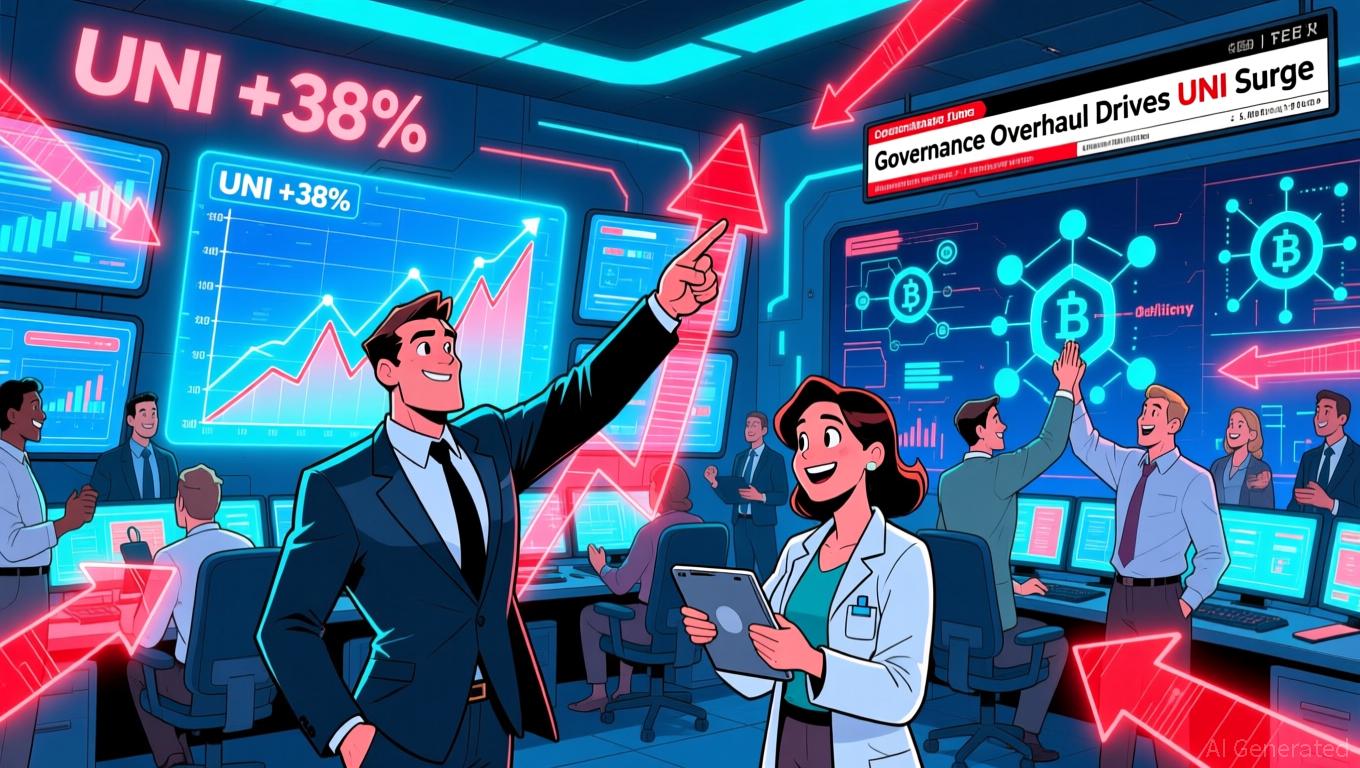
Uniswap News Today: Uniswap's 100 Million UNI Token Burn Sparks 38% Rally as Deflationary Changes Transform DeFi
- Uniswap's UNI token surged 38% after the Foundation and Labs launched the "UNIfication" governance overhaul, activating protocol fees and token burns. - The proposal includes a 100M UNI retroactive burn (16% of supply), fee redirection to deflationary mechanisms, and a 20M UNI Growth Budget for DeFi innovation. - Structural changes consolidate teams under Uniswap Labs, eliminate interface fees, and establish a 5-member board to align governance with DUNA's decentralized framework. - Market reaction saw U
Solana's Value Soars: Key Factors Fueling Investor Confidence Toward the End of 2025
- Solana (SOL) surges in late 2025 due to infrastructure upgrades, institutional adoption, and strong on-chain metrics. - Firedancer validator client boosts TPS to 1M+, while Alpenglow aims for sub-second finality, enhancing scalability for real-time finance. - Institutional holdings of SOL jump 841% to 16M tokens, with Visa and R3 partnerships validating its role in cross-chain global finance. - Network records 17.2M active addresses and 543M weekly transactions, maintaining 8% DeFi market share despite b

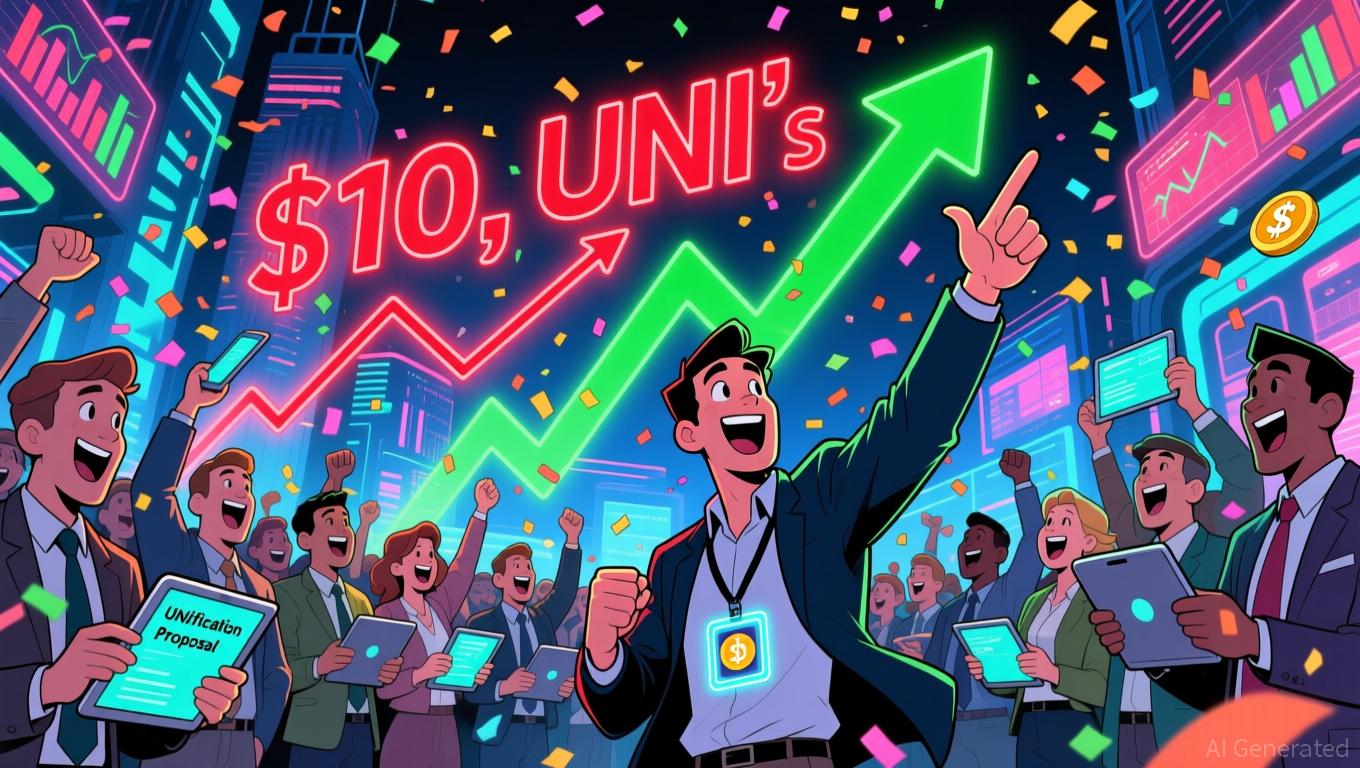
Uniswap Latest Updates Today:
- UNI token surged over 40% to $10+ as Uniswap Labs and Foundation proposed "UNIfication" to distribute protocol fees to holders via token burns and a "token jar." - The plan includes burning 100M UNI ($800M) and allocating 16.7%-25% of v2/v3 pool fees to holders, merging the Foundation into Labs to streamline operations. - Market reactions saw UNI jump 30% in a day, reaching $10.50, with a $7.19B market cap, driven by optimism over DeFi fee capture and DUNA approval easing regulatory concerns. - Critics w
Bitcoin Leverage Liquidations Spike in November 2025: A Warning Story for Crypto Derivatives Traders
- November 2025 saw $20B+ in crypto derivatives liquidated as Bitcoin fell below $100,000, driven by 1001:1 leverage and automated stop-loss mechanisms. - Leverage-driven cascading liquidations pushed Ethereum to four-month lows and exposed systemic risks in unregulated platforms like Hyperliquid and Aster. - Regulators proposed CFTC/SEC role clarifications and domestic leveraged trading, but experts warn structural imbalances persist despite growing retail risk awareness. - Institutional investors shifted

Trending news
MoreCrypto prices
More






