
LUNA Surges 20% in a Day Amid Ongoing Terra Network Upgrade
- LUNA surged 20% in 24 hours to $0.0868 as Terra network prepares a major upgrade on Dec 8, 2025. - Binance temporarily halted LUNA deposits/withdrawals during the upgrade to ensure protocol stability. - Adverum Biotech reported 90% reduced anti-VEGF injections in LUNA trial for wet AMD, with Phase 3 enrollment nearing completion. - The upgrade and biotech results highlight LUNA's dual impact on crypto markets and medical innovation potential.
LUNA Sees Notable Price Surge
On December 5, 2025, LUNA experienced a sharp 20% increase in value within a single day, reaching $0.0868. Over the past week, the token climbed by 22.99%, maintaining the same growth rate over the past month. However, LUNA has declined by 78.59% over the previous year.
Upcoming Terra Network Upgrade
The Terra blockchain is scheduled for a significant protocol upgrade on December 8, 2025, at block height 18,660,000. To facilitate a smooth transition, Binance will temporarily suspend deposits and withdrawals for LUNA (Terra) starting at 20:05 UTC+8 on the day of the upgrade. The process is anticipated to conclude by approximately 21:05 UTC+8.
This temporary suspension is a routine measure during major blockchain updates to minimize transaction disruptions. Users are encouraged to follow Binance’s official channels for timely updates and notifications regarding the resumption of services.
Adverum Biotechnologies Shares Promising LUNA Trial Results

In a separate development, Adverum Biotechnologies, Inc. announced two-year follow-up data from its LUNA Phase 2 trial of Ixo-vec for patients with wet age-related macular degeneration (AMD) on December 4, 2025. The results revealed an approximate 90% decrease in the need for anti-VEGF injections over two years, while maintaining both anatomical stability and visual acuity across both dosage groups. Notably, the 6E10 dose group reported no new cases of inflammation after week 30. Ixo-vec continues to show a strong safety record.
These positive outcomes support the continued advancement of the therapy, with the Phase 3 ARTEMIS trial expected to complete enrollment by December 5, 2025. Adverum has highlighted Ixo-vec’s potential to revolutionize wet AMD treatment by reducing injection frequency compared to existing therapies.
Summary
LUNA’s recent price rally, the forthcoming Terra network upgrade, and encouraging clinical results from Adverum Biotechnologies are all pivotal factors influencing current market sentiment. The network update is expected to strengthen the blockchain’s long-term resilience, while the biotech company’s progress may enhance the LUNA brand’s reputation beyond the cryptocurrency industry.
Disclaimer: The content of this article solely reflects the author's opinion and does not represent the platform in any capacity. This article is not intended to serve as a reference for making investment decisions.
You may also like
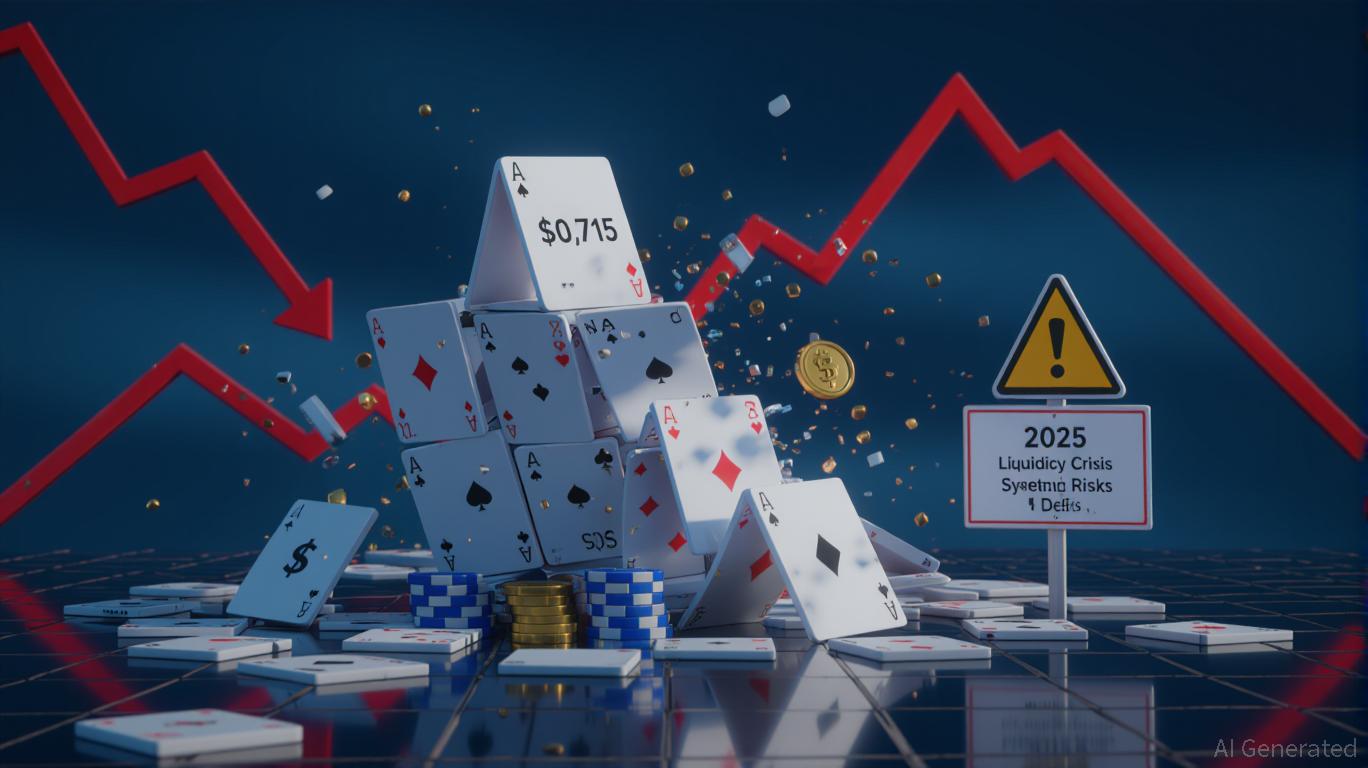
PENGU USDT Sell Alert and Its Impact on the Stablecoin Market
- PENGU USDT's 2025 depegging to $0.715 and $66.6M team withdrawals exposed systemic risks in algorithmic stablecoins. - Cascading failures in Ethena USDe and Staked Stream USD revealed liquidity crises exacerbated by smart contract flaws and macroeconomic shocks. - The U.S. GENIUS Act mandated 1:1 fiat backing for stablecoins, accelerating market shift toward compliant fiat-backed alternatives like USDC . - Investors now prioritize stablecoins with transparent reserves and robust governance amid regulator
The Decline in PENGU Value: Unexpected Market Turbulence or a Prime Moment to Invest?
- Pudgy Penguins (PENGU) token dropped 30% in late November 2025, sparking debate on systemic risks vs. undervaluation. - Analysts highlight valuation dislocation, with forecasts ranging from $0.015 to $0.068, amid broader crypto market instability. - Technical indicators and extreme Fear & Greed Index (28) signal volatility, while ecosystem utility remains a key uncertainty. - Investors must balance short-term risks with long-term potential, as PENGU's future depends on community resilience and macroecono

Trending news
MoreCrypto prices
More





