
Zcash (ZEC) Value Soars: The Intersection of Privacy Advancements and Mainstream Institutional Embrace in 2025
- Zcash (ZEC) surged in late 2025 due to privacy innovations, institutional adoption, and robust on-chain activity. - Grayscale's Zcash ETF filing and Cypherpunk/Reliance's strategic holdings highlight growing institutional confidence in privacy-centric crypto. - Orchard protocol adoption (30% of ZEC transactions) and Zerdinals inscriptions drove 1,300%+ transaction growth, outpacing Ethereum/Solana in fee production. - Zcash's hybrid privacy model (shielded/transparent transactions) addresses regulatory c
Zcash’s Remarkable Rise in Late 2025
In the closing months of 2025, Zcash (ZEC) has distinguished itself within the cryptocurrency sector, experiencing a notable price rally. This momentum is fueled by significant advancements in blockchain privacy, increased institutional engagement, and heightened on-chain activity. Zcash’s resurgence signals a broader movement in the digital asset space, where privacy-focused technologies and institutional-grade frameworks are converging, positioning Zcash as a pivotal link between these trends.
Breakthroughs in Privacy: The Impact of Orchard and Zerdinals
The renewed enthusiasm for Zcash’s optional privacy features is largely attributed to the widespread adoption of the Orchard shielded pool and the emergence of Zerdinals. By November 2025, approximately 30% of all ZEC transactions were conducted using the Orchard protocol, and 4.9 million ZEC—representing 30% of the total supply—were secured in shielded wallets. This uptick in privacy utilization reflects a growing desire for financial discretion, especially as regulatory oversight intensifies.
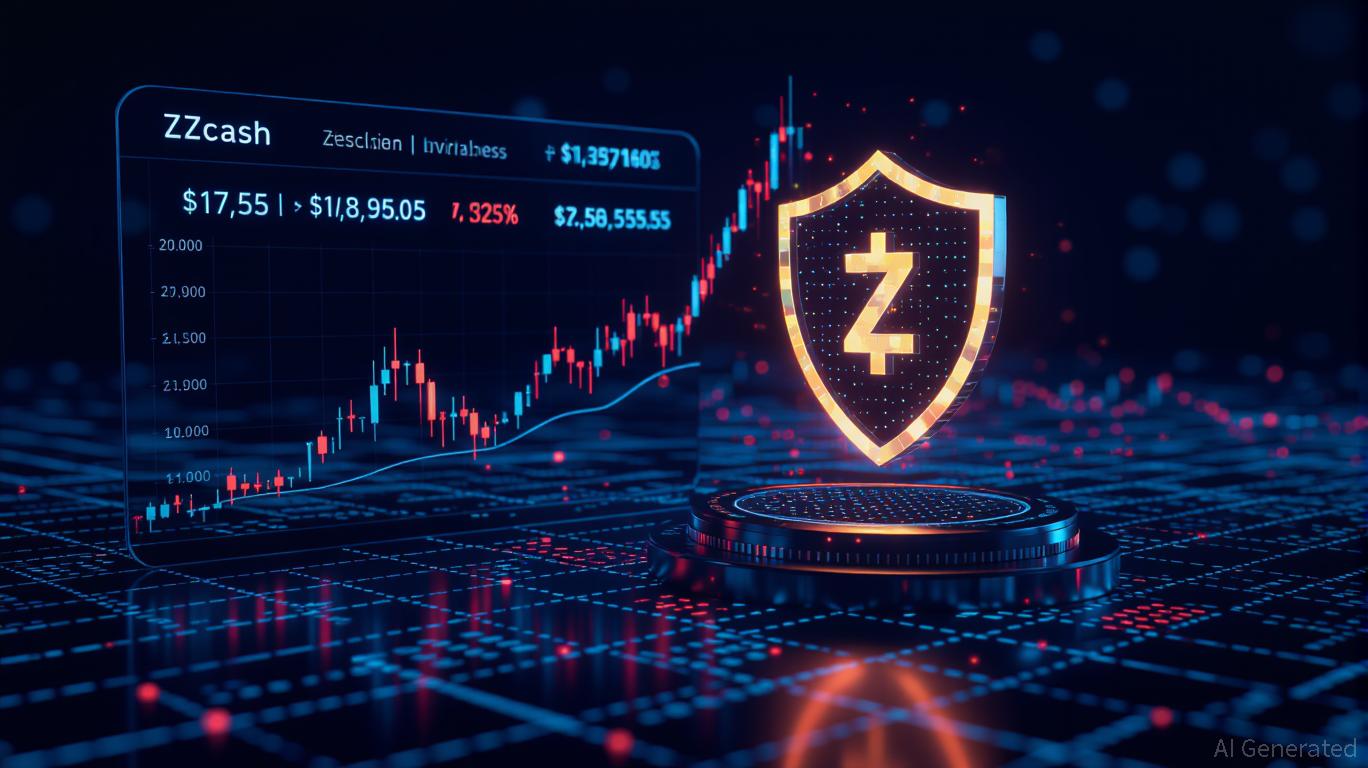
The Zerdinals trend, inspired by Bitcoin’s Ordinals, has further energized Zcash’s blockchain. By enabling digital asset inscriptions, developers have unlocked new possibilities for privacy-oriented NFTs and collectibles. According to MEXC, Zcash’s network processed 73,862 daily transactions in late November 2025—a staggering 1,300% jump from earlier in the year. This surge highlights Zcash’s capacity for innovation while staying true to its privacy-centric mission.
Institutional Momentum: ETF Prospects and Strategic Investments
Interest from institutional investors in Zcash has reached new heights. Grayscale’s proposal to transform its Zcash Trust into a spot ETF marks a significant milestone for privacy coins. Should it receive regulatory approval, this would become the first U.S.-listed ETF dedicated to a privacy-centric cryptocurrency, potentially opening the door to substantial institutional and retirement fund investments. This move mirrors a shifting regulatory landscape, where privacy and compliance are increasingly seen as compatible.
Meanwhile, industry leaders such as Cypherpunk Technologies and Reliance Global Group have demonstrated their faith in Zcash’s future. Cypherpunk’s purchase of 1.43% of the total ZEC supply and Reliance’s complete transition of digital assets to Zcash underscore the coin’s appeal as a privacy-enhanced store of value. These developments are especially relevant in regions with stricter data privacy regulations, as Zcash’s hybrid model—offering both transparent and shielded transactions—provides a compliant alternative to fully private blockchains.
Network Growth: Fee Generation and Ecosystem Development
Zcash’s technical achievements have also drawn attention. In November 2025, the network outpaced both Ethereum and Solana in fee generation, amassing $47.5 million in fees—which accounted for 2.6% of all major blockchain fees. This performance is partly due to the NU6.1 upgrade, which directed 8% of block rewards to community grants and 12% to a fund managed by coinholders. These incentives foster long-term engagement and support ongoing innovation, creating a positive feedback loop for the ecosystem.
The Zcash ecosystem has expanded further with its relisting on OKX and the introduction of wrapped ZEC (zenZEC) on Solana, enhancing both liquidity and interoperability. These steps have integrated Zcash with DeFi protocols and cross-chain platforms, addressing the historical challenge of limited use cases for privacy coins by embedding Zcash within the broader blockchain landscape.
Looking Ahead: Opportunities and Challenges
Despite Zcash’s impressive progress, certain risks remain. Price fluctuations continue, with ZEC reaching highs above $700 before pulling back, raising questions about large holders’ intentions. Additionally, the outcome of Grayscale’s ETF application is still uncertain, as it depends on regulatory approval. Nevertheless, the increasing alignment between privacy solutions and institutional requirements suggests that Zcash’s innovations could serve as a model for future digital assets.
Summary
The surge in Zcash’s value throughout 2025 is more than a temporary spike—it reflects fundamental changes in the crypto landscape. By merging advanced privacy features with infrastructure that meets institutional standards, Zcash has established itself as a frontrunner in the next wave of blockchain adoption. For investors, the message is clear: privacy is evolving from a niche concern to a central pillar of modern finance. As Zcash continues to unite privacy advocates and institutional stakeholders, its journey stands as a testament to the transformative power of innovation and adaptability.
Disclaimer: The content of this article solely reflects the author's opinion and does not represent the platform in any capacity. This article is not intended to serve as a reference for making investment decisions.
You may also like
CleanTrade Receives CFTC Authorization: Transforming Institutional Participation in Clean Energy Markets
- CleanTrade's 2025 CFTC SEF approval establishes a regulated framework for clean energy derivatives, addressing market fragmentation and illiquidity. - The platform centralizes VPPA/PPA/REC trading with institutional-grade transparency, enabling $16B in notional value within two months. - CFTC's regulatory clarity post-2021 advisory withdrawal fosters institutional participation, with Cargill/Mercuria executing first transactions. - By bridging legacy energy markets and renewable needs, CleanTrade enhance

Solana's Abrupt Price Swings and Effects on the Market: Blockchain System Vulnerabilities and Changes in Investor Confidence
- Solana's 2025 volatility stems from infrastructure vulnerabilities, unacknowledged outages, and shifting investor sentiment. - Network design prioritizing consistency over availability caused outages, exposing risks in high-throughput systems. - Developer growth (83% increase) contrasts with security gaps and inadequate documentation in smart contracts. - Price dropped 26% in November 2025 amid extreme fear metrics, despite institutional staking and ETF inflows. - Technical upgrades face skepticism due t

Financial Wellbeing Emerging as a Key Investment Trend in 2025: Prospects in Fintech and Personal Finance Management Solutions
- Financial wellness emerges as a 2025 investment theme, driven by AI, cloud tech, and rising demand for budgeting/debt management tools. - Market growth projects $4.2B to $10.2B (2025-2034) for financial wellness software, with PFM tools expanding at 12.5% CAGR to $11.12B by 2035. - Key innovators like MX, Acorns, and Affirm leverage automation and predictive analytics, while ETFs like Invesco PFM offer diversified fintech exposure. - Strategic risks include data privacy concerns and regulatory scrutiny,
Bitcoin Leverage Liquidation Crisis: Exposing Systemic Threats in Cryptocurrency Derivatives Markets
- 2025 Bitcoin's $100,000+ price collapse triggered $22B in leveraged liquidations, exposing crypto derivatives market fragility. - 78% retail-driven perpetual futures trading with 1,001:1+ leverage ratios created self-reinforcing price declines. - Decentralized exchanges enabled $903M ETF outflows and extreme fear index readings, revealing liquidity illusion risks. - Systemic risks now span traditional markets as crypto acts as volatility mediator, amplifying macroeconomic shocks. - Regulatory reforms and

Trending news
MoreCrypto prices
More





