
The PENGU USDT Sell Signal: A Pivotal Moment in the Evolution of Stablecoin Trends?
- The 2025 PENGU/USDT sell signal exposed algorithmic stablecoin fragility, triggering a $128M Balancer liquidity crisis. - Market psychology shifted toward transparency, with USDC gaining traction over opaque alternatives like USDT amid MiCA regulations. - IMF and BIS warn algorithmic models lack resilience, urging hybrid solutions blending AI governance with CBDC stability. - Strategic risk frameworks now prioritize diversified exposure, on-chain analytics, and MiCA-compliant structures post-crisis.
PENGU/USDT Sell Signal: A Turning Point for Algorithmic Stablecoins and DeFi
In November 2025, a sell signal in the PENGU/USDT trading pair sparked intense debate about the inherent weaknesses of algorithmic stablecoins and their impact on the broader decentralized finance (DeFi) sector. This incident, alongside a $128 million liquidity shortfall on the Balancer protocol, highlighted persistent vulnerabilities within the stablecoin landscape. As both regulators and market participants assess the consequences, the PENGU/USDT event stands out—not just as a technical glitch, but as a pivotal moment where market sentiment, risk management strategies, and regulatory focus intersect to reshape the future of stablecoins.
Dissecting the PENGU/USDT Sell Signal
The warning sign for PENGU/USDT, which emerged in late 2025, revealed significant shortcomings in how algorithmic stablecoins manage collateral and secure their smart contracts. Unlike fiat-backed options such as USDC, PENGU depended on less transparent redemption processes and algorithm-driven price controls, creating a self-reinforcing cycle of instability.
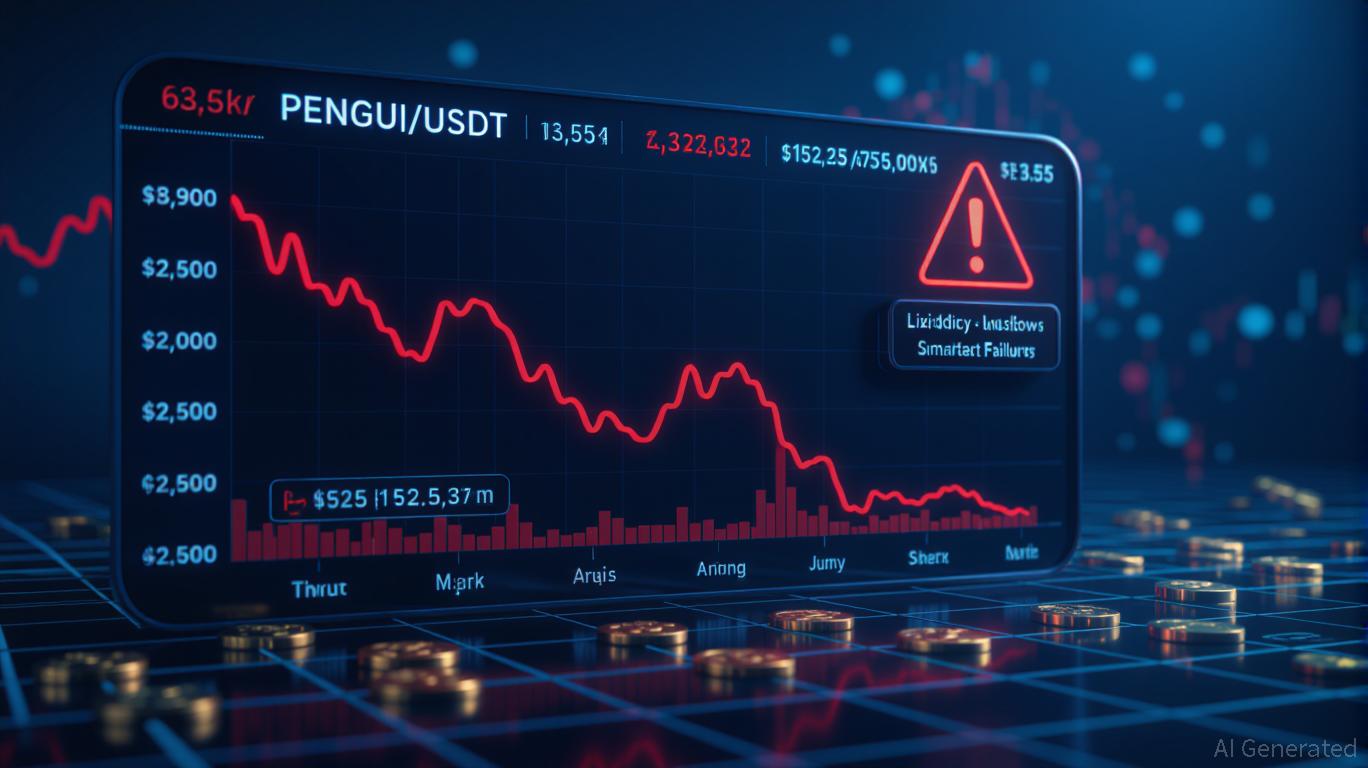
As investors rushed to exchange PENGU for USDT, the system’s ability to maintain its peg broke down, resulting in widespread liquidations. This scenario echoed the 2023 UST-USTC collapse, where algorithmic mechanisms failed to withstand abrupt market changes.
Technical analysis intensified the turmoil. While short-term charts hinted at possible recovery, longer-term trends revealed deep-seated instability. A volatility rate of 14.46%—far above what’s typical for stablecoins—exposed the gap between speculative trading and underlying value. This contradiction left investors torn between enthusiasm for DeFi innovation and the reality of unproven risk models.
Investor Sentiment Shifts Toward Transparency
The sell signal triggered a notable change in investor attitudes. As confidence in algorithmic stablecoins waned, funds shifted toward more transparent and regulated alternatives. For example, USDC gained traction thanks to its compliance with U.S. GENIUS Act and the EU’s MiCA regulations, both of which require clear reserve disclosures. In contrast, USDT’s failure to meet MiCA standards led to its removal from European trading platforms, hastening its decline in the region.
This migration toward transparency reflects a larger movement: investors are increasingly valuing regulatory adherence over speculative opportunities. The International Monetary Fund (IMF) has cautioned that poorly governed stablecoins could threaten monetary stability, especially in countries facing high inflation and dollarization risks. Meanwhile, new solutions like Bluwhale’s AI-powered Stablecoin Agent and state-supported coins such as Kyrgyzstan’s USDKG are reshaping liquidity flows by combining algorithmic efficiency with institutional safeguards.
Risk Management: Learning from Past Financial Disruptions
The PENGU/USDT crisis mirrors familiar patterns from previous financial upheavals. As highlighted by Hélène Rey of the London Business School, stablecoins tend to function smoothly during calm periods but often unravel under stress. The 2025 sell signal demonstrated how algorithmic designs, intended to self-stabilize, can instead amplify market shocks and liquidity crunches. This supports the IMF’s view that stablecoins lack the robustness of traditional financial systems, especially during times of panic.
- Diversification: Investors are spreading their holdings across fiat-backed, central bank digital currency (CBDC)-linked, and AI-managed stablecoins to reduce exposure to algorithmic failures.
- Advanced Analytics: On-chain monitoring tools are being used to track redemption activity, collateral health, and potential oracle weaknesses.
- Regulatory Adaptation: The exclusion of algorithmic stablecoins from the U.S. GENIUS Act is prompting innovators to pursue MiCA-compliant models.
Looking Forward: Structural Change or Temporary Setback?
The PENGU/USDT sell signal is symptomatic of deeper, systemic challenges. For stablecoins to evolve, the industry must address several pressing questions:
- Collateral Transparency: Is it possible for algorithmic and reserve-backed models to coexist without sacrificing decentralization?
- Regulatory Certainty: Can frameworks like MiCA and the GENIUS Act encourage innovation while safeguarding against systemic threats?
- Investor Psychology: How will repeated crises shape future market behavior?
A balanced approach appears essential. As emphasized by both the IMF and the Bank for International Settlements (BIS), stablecoins must find equilibrium between technological advancement and prudent oversight. The emergence of AI-driven agents and CBDCs points toward a future where stability is achieved through a blend of innovation and governance. For now, the PENGU/USDT episode serves as a stark reminder: in the realm of stablecoins, the boundary between stability and collapse remains perilously thin.
Disclaimer: The content of this article solely reflects the author's opinion and does not represent the platform in any capacity. This article is not intended to serve as a reference for making investment decisions.
You may also like
Investing in eco-friendly urban infrastructure as an approach to reduce climate impacts
- Global climate goals demand urgent urban action to limit warming to 1.5°C by 2050, with cities responsible for 70% of emissions. - Decentralized energy systems, solar transit, and behavioral interventions reduce emissions while delivering 18–30% ROI through regenerative models. - Cities like Copenhagen and New York demonstrate feasibility, with decentralized systems cutting emissions by 80% and energy costs by 20%. - IPCC mandates emissions peak by 2025, making urban sustainability investments critical f

The Comeback of Momentum (MMT): A Tactical Move for 2026?
- Momentum investing's 2026 resurgence hinges on macroeconomic clarity, tech innovation, and institutional adoption of systematic strategies. - 2025 performance showed 113-basis-point U.S. outperformance led by Tesla/NVIDIA, bolstered by Fed rate cuts and AI optimism. - Institutional crypto adoption accelerated via $50B+ ETFs and tokenization, with 2-5% 2026 digital asset allocations projected. - 2026 catalysts include regulatory reforms, 74% market correction expectations, and agentic AI/quantum computing

LUNA Drops 11.32% as Amazon Luna Rolls Out to Xfinity Devices
- LUNA dropped 11.32% on Dec 12 2025 amid broader market sentiment, despite prior gains, with no direct project-specific triggers. - Amazon expanded Luna cloud gaming to Xfinity devices, enhancing accessibility via voice commands and Prime subscriptions. - Analysts note no direct link between Luna's expansion and LUNA token performance, emphasizing macroeconomic and cross-sector influences.

Financial Wellbeing and How It Influences Long-Term Investment Habits
- Financial wellness integrates economic, behavioral, and technological factors to drive sustainable investment resilience and long-term wealth creation. - Financial literacy and structured planning enhance crisis navigation, with 61% of planners reporting high wellness levels and improved investment discipline. - Emotional resilience through financial therapy reduces stress-related decision-making, particularly benefiting vulnerable groups during income shocks. - AI tools and gamification foster habit for

Trending news
MoreCrypto prices
More





