
The Rise of a Dynamic Clean Energy Market: Ushering in a New Age for VPPA Transactions
- CleanTrade, a CFTC-approved platform, addresses fragmented clean energy markets with transparent VPPA trading. - It enables institutional investors to manage risks and optimize yields via real-time liquidity and standardized pricing. - The platform's $16B notional value highlights growing demand for structured risk tools in renewables. - Regulatory oversight and data-driven analytics enhance credibility, fostering institutional confidence in clean energy investments.
CleanTrade: Transforming Clean Energy Markets
The shift toward clean energy is gaining momentum, propelled by corporate sustainability targets, evolving regulations, and rapid technological progress. However, the industry has long faced obstacles such as fragmented markets, unclear pricing, and limited liquidity. These challenges are now being addressed by an innovative solution: REsurety's CleanTrade platform.
As the first Swap Execution Facility for clean energy derivatives to receive approval from the CFTC, CleanTrade is revolutionizing how virtual power purchase agreements (VPPAs) are traded. This platform empowers institutional investors to manage risk and maximize returns, bringing the sophistication of traditional energy markets to the renewable sector.
A New Era for Clean Energy Trading
Historically, clean energy trading has been hindered by inefficiencies. VPPAs have played a crucial role in expanding renewable energy by allowing companies to secure long-term pricing without requiring physical delivery. Yet, their effectiveness has been limited by price fluctuations, complicated deal processes, and a lack of standardized pricing.
CleanTrade addresses these issues by providing a transparent, regulated marketplace where participants can trade VPPAs, physical power purchase agreements, and project-specific renewable energy certificates (RECs) with real-time pricing and improved liquidity.
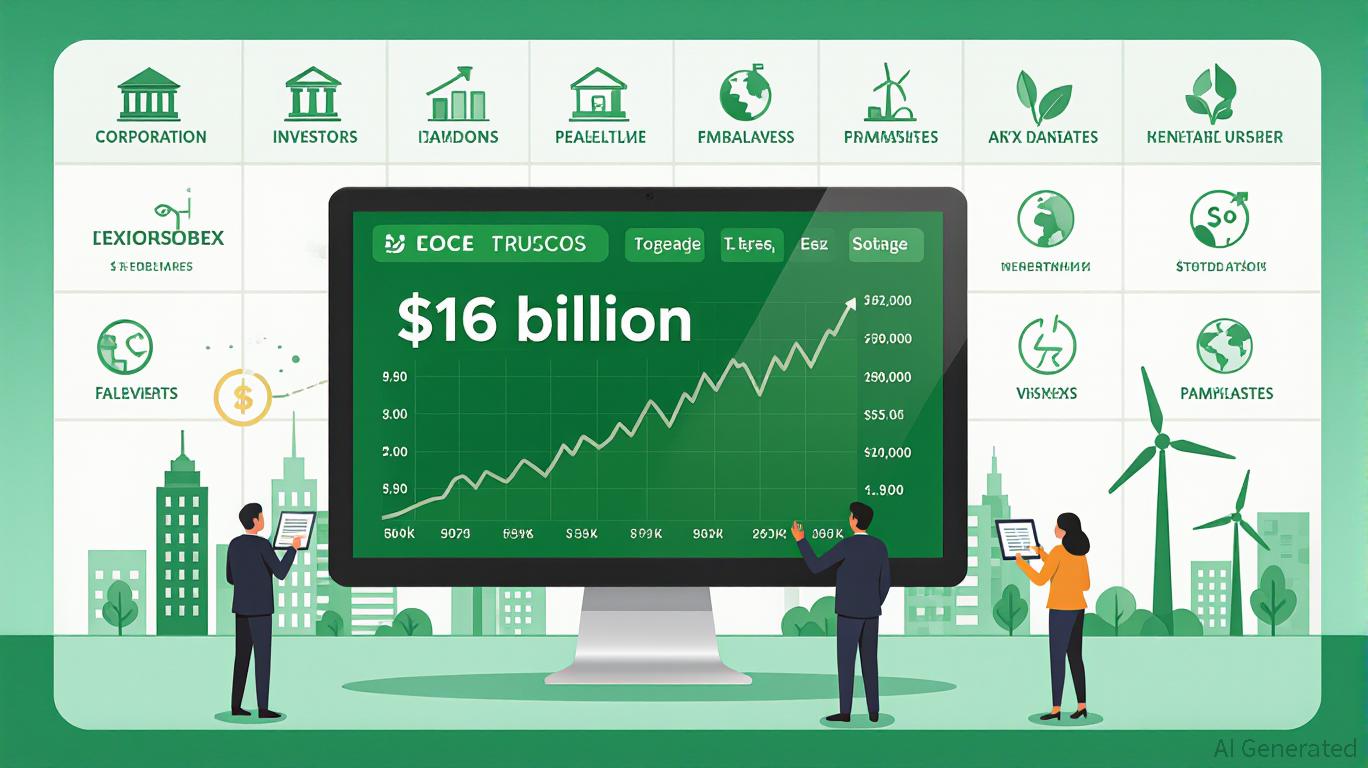
The platform’s rapid uptake highlights its game-changing potential. Within just two months of CFTC approval in September 2025, CleanTrade reached $16 billion in notional value ready for trading. This surge reflects strong demand for advanced risk management tools in the clean energy space. Beyond impressive numbers, CleanTrade simplifies the entire transaction process—from sourcing bids to compliance reporting—reducing operational barriers and accelerating the rollout of renewable projects. For institutional investors, this means access to a market as efficient as established exchanges like ICE, boosting confidence in long-term investments.
Strategic Benefits for Institutional Investors
As more institutional investors commit capital to clean energy, they face unique risks such as resource variability and regulatory shifts. CleanTrade’s integration with REsurety’s CleanSight analytics platform offers a solution by delivering detailed financial and environmental insights. This enables investors to evaluate projects accurately, model settlement outcomes, and fine-tune portfolios for both returns and sustainability.
Effective risk management is central to CleanTrade’s value. The platform allows users to hedge against price swings using swaps and forward contracts, providing budget stability for corporations and consistent cash flow for developers. This approach minimizes exposure to short-term volatility while supporting long-term ESG goals. Marathon Capital, for example, has used CleanTrade’s capabilities to deliver superior results for corporate clients, demonstrating the platform’s ability to connect financial performance with environmental impact.
Maximizing Returns in a Regulated Environment
With CFTC oversight, CleanTrade brings a new level of trust and transparency to clean energy derivatives. By adhering to the same rigorous standards as traditional markets, the platform reduces counterparty risk and increases transparency—key factors for investors wary of unregulated environments. This regulatory framework also enhances liquidity, giving market participants a centralized venue for price discovery and execution.
The platform’s $16 billion milestone in early 2025 not only signals strong institutional interest but also showcases CleanTrade’s ability to unite a diverse range of participants, from corporate buyers to developers and financial intermediaries. This liquidity is vital for optimizing returns, as it allows investors to adjust positions in response to market dynamics. For instance, companies with surplus RECs can sell them on CleanTrade to offset costs, while developers can hedge underperforming assets to stabilize revenue.
Looking Forward: The Future of Clean Energy Trading
CleanTrade has already made a significant impact, but its influence is poised to grow. As the platform evolves, it could drive greater standardization across the market, attracting more institutional investment into clean energy. This would speed up project development and lower financing costs, supporting global decarbonization efforts. Nevertheless, challenges such as policy inconsistencies and economic uncertainty remain, highlighting the need for diversified strategies and ongoing innovation in risk management.
For institutional investors, CleanTrade represents a unique opportunity to engage in a market that is both environmentally impactful and financially sound. By leveraging its transparency, liquidity, and regulatory protections, investors can strike a balance between maximizing returns and managing risk—positioning themselves for success in the rapidly changing clean energy landscape.
Disclaimer: The content of this article solely reflects the author's opinion and does not represent the platform in any capacity. This article is not intended to serve as a reference for making investment decisions.
You may also like
Bitcoin Price Fluctuations: Optimal Entry Strategies Amid Changing Macroeconomic Conditions
- Bitcoin's volatility offers high returns but poses psychological risks, requiring disciplined risk management and emotional resilience. - Social media and behavioral biases like FOMO and loss aversion exacerbate impulsive trading during market swings. - Strategic frameworks (position sizing, DCA) and financial literacy help investors navigate volatility while avoiding overleveraging. - Case studies show predefined plans and diversification reduce panic selling during crashes like the 2024 "Black Friday"

Investing in Sectors Focused on Wellness in 2026: Strategically Aligning with Enduring Human-Centered Trends
- Global wellness market to grow from $6.87T in 2025 to $11T by 2034 at 5.4% CAGR, driven by preventive health, mental wellness, and financial well-being integration. - Wearables (Apple Watch, Oura Ring) and AI platforms (Calm, Headspace) are reshaping physical/emotional wellness, with corporate programs boosting productivity and reducing healthcare costs. - Financial wellness emerges as critical axis, with companies like CHC Wellbeing linking health incentives to economic stability through gamified reward

The Growth and Evaluation of Investments in AI-Powered Educational Technology
- The global AI-driven EdTech market is projected to grow from $7.05B in 2025 to $112.3B by 2034 at 36.02% CAGR, driven by personalized learning and AI-powered tools reducing educator workloads by 25%. - However, 50% of students report reduced teacher connections, 70% of educators fear weakened critical thinking, and 63% of specialists cite AI-related cybersecurity risks, highlighting ethical and systemic challenges. - Anthropology and interdisciplinary approaches address AI biases and cultural gaps, exemp

Trending news
MoreCrypto prices
More





