
How Trump's proposal to prohibit defense dividends and increase military spending might impact your investment portfolio

Trump’s Recent Moves Shake Up Defense Stocks
Defense sector shares have experienced significant volatility in response to actions taken by President Donald Trump over the past two days.
- Trump issued an executive order halting dividend distributions from defense contractors and simultaneously advocated for a substantial boost in military funding.
- These policy changes could have notable effects on investors with holdings in defense-related companies.
This week, President Trump’s executive orders targeting defense companies, along with his proposal for increased defense spending, have caused defense stocks to fluctuate and may influence the portfolios of those invested in this sector.
The president’s new directive restricts certain financial activities among defense contractors, including a ban on dividend payments and stock buybacks until companies deliver products deemed “superior.” In addition, Trump announced his intention to raise the U.S. military budget to a record $1.5 trillion next year.
These developments are particularly relevant for investors in the defense industry, which is recognized for its relatively high dividend yields. For example, Lockheed Martin offers an annual dividend yield of about 2%, compared to the broader S&P 500 average of roughly 1%.
Below is a summary of how investors might approach these recent changes and what they could mean for their investment strategies.
Should You Hold On to Defense Stocks?
For most long-term investors, these announcements may not warrant a major shift in strategy. According to Art Hogan, chief market strategist at B. Riley Wealth Management, the proposed ban on dividend payments appears largely theoretical at this stage, and it remains uncertain how such a policy would be enforced.
Hogan commented to Business Insider, “It seems like another off-the-cuff social media post that may not materialize. There’s no need to make hasty decisions regarding your long-term investment plans.”
Aside from the potential for a dividend ban, Trump’s statements on social media are generally viewed as favorable for defense investors, according to José Torres, senior economist at Interactive Brokers. He suggests that those not reliant on dividend income should consider staying invested in the sector, given its growth prospects.
“In the best-case scenario, investors could see improved performance from these companies,” Torres told Business Insider.
If Dividends Matter to You, Consider Other Sectors
Should defense firms comply and suspend dividend payments, investors who depend on these regular payouts may be affected, Torres noted.
However, those seeking steady dividend income can look to other parts of the market. Torres recommends exploring value-oriented sectors with attractive dividend yields, such as energy and healthcare.
Hogan also suggests considering industries like energy, consumer staples, pharmaceuticals, utilities, and other segments within the industrial sector, which includes defense stocks but is much broader.
Another option is to invest in dividend-focused ETFs, which provide exposure to a basket of companies that pay dividends.
“There are plenty of strong dividend-paying stocks out there,” Hogan said. “If investors are uneasy about the possibility of dividend reductions or eliminations, even if that risk is remote, there are ways to adjust your portfolio accordingly.”
Review Your Bond Investments
Peter Berezin, chief market strategist at BCA Research, advises investors to pay close attention to their bond holdings.
Berezin points out that a significant rise in defense spending could push bond yields higher, which would in turn lower bond prices.
Torres from Interactive Brokers agrees, stating that bond investors should be mindful of the potential for a larger military budget to drive up yields, especially for longer-term bonds.
Yields on long-term bonds have already increased in recent years due to concerns about the U.S. deficit and rising government debt. Higher debt levels make investors more cautious about buying long-term Treasurys, so yields must rise to attract buyers. Additionally, heavy government borrowing and spending can fuel inflation, prompting the central bank to adjust monetary policy and potentially drive yields even higher.
Despite these risks, Torres does not currently recommend selling bonds. He believes that worries over debt have pushed long-term bond yields in the U.S. to excessive levels, and he expects those yields to decline in the near future.
“At this point, I’m optimistic about bonds,” he said.
Disclaimer: The content of this article solely reflects the author's opinion and does not represent the platform in any capacity. This article is not intended to serve as a reference for making investment decisions.
You may also like
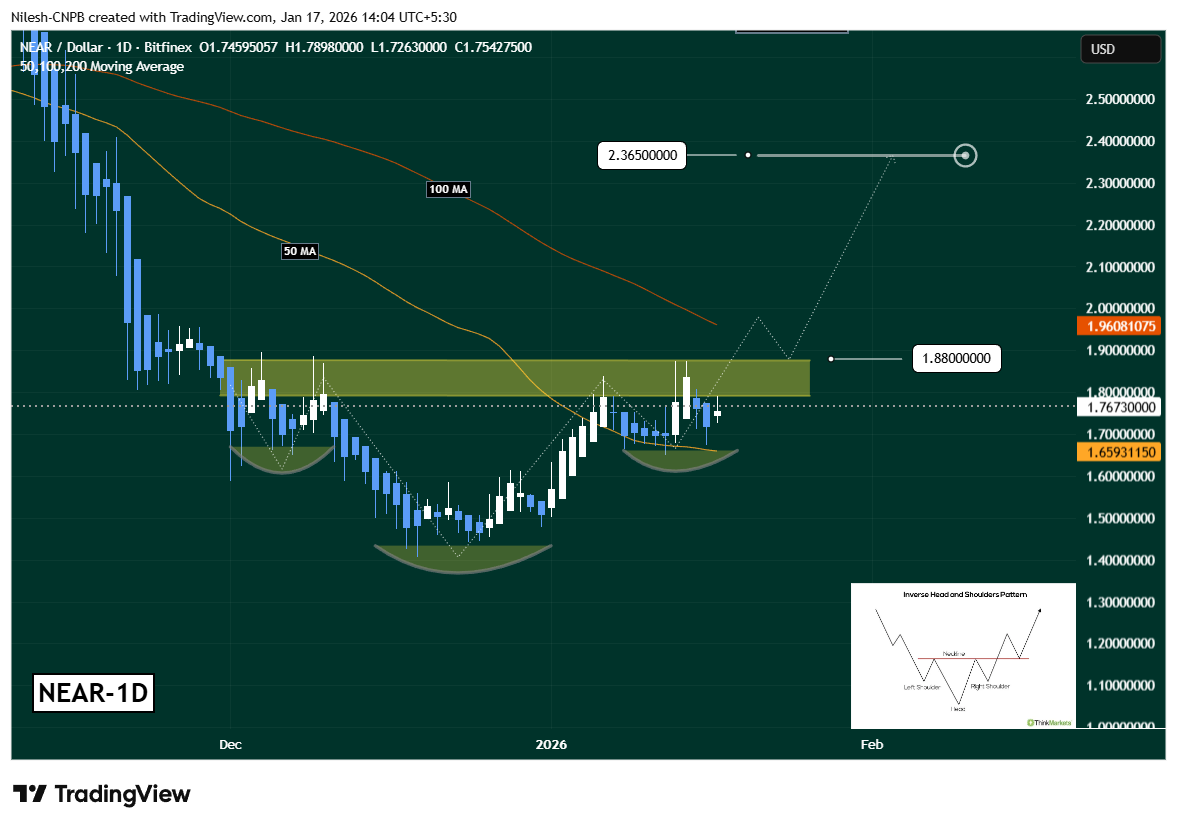
Near Protocol (NEAR) Leads Among Top Blockchains by Active Users — Is an Upside Breakout Brewing?
Bitcoin Faces a Rocky Recovery: Is It Just a Head Fake?
Crypto market on edge as White House threatens to withdraw CLARITY Act support
China Injects ¥1.85T Liquidity — Markets Turn Bullish
Trending news
MoreCrypto prices
More






