
Japan's greater oversight of foreign investments unlikely to interrupt M&A boom

By Makiko Yamazaki
TOKYO, Jan 9 (Reuters) - Japan's plan to give authorities the power to order foreign investors to retroactively divest acquisitions is aimed at sheltering major firms and supply chains, though it is unlikely to curtail increased M&A interest, experts say.
Japan on Wednesday proposed amendments to its foreign investment screening law that would grant authorities an option to force foreigners to sell investments deemed to pose risks to national or economic security.
The proposals come as Japanese Prime Minister Sanae Takaichi's administration steps up efforts to mitigate risks from an inflow of foreign money to Japan's economic security and control over key supply chains.
At present, overseas investors seeking to buy stakes in Japanese companies outside of sectors that are critical to economic or national security are not required to notify the government in advance, leaving officials with no ability to intervene.
The new powers are aimed at investors who are categorised as high-risk, including those that might cooperate with foreign powers to gather intelligence. Chinese companies have been required to cooperate with the country's intelligence agencies since a law was passed in 2017.
In Japan, the period during which transactions can be reviewed retroactively would be around five years.
"Japan would like to keep Chinese companies from buying top-quality Japanese companies and technology," said Nicholas Benes, founder of the Board Director Training Institute of Japan.
The proposed changes, which also include stricter requirements for indirect investments in Japanese firms via foreign parents, are intended to put Japan on par with allies like the U.S., Britain and Germany in terms of security oversight, a government source said.
Those countries have the power to retroactively order stake divestitures, according to documents from the Ministry of Finance.
"In principle, it doesn't stick out like a sore thumb as it's similar to what other countries are doing," said Benes, an expert in corporate governance.
FIRST MAJOR OVERHAUL SINCE 2019
Japan is making the first major overhaul to its foreign investment screening law since 2019, when the threshold for review of stock purchases by foreign entities was lowered to 1% from 10%.
The 1% threshold means the Japanese government has roughly 10 times more pre-transaction filings to deal with than other major countries, though the revisions would narrow the range of businesses that are subject to review.
Yohsuke Higashi, an M&A lawyer and partner at Mori Hamada & Matsumoto, said the scope of prior filing requirements should be substantially narrowed to strike a balance, since post-closing intervention will be allowed and requirements for indirect investments will be introduced.
Disclaimer: The content of this article solely reflects the author's opinion and does not represent the platform in any capacity. This article is not intended to serve as a reference for making investment decisions.
You may also like
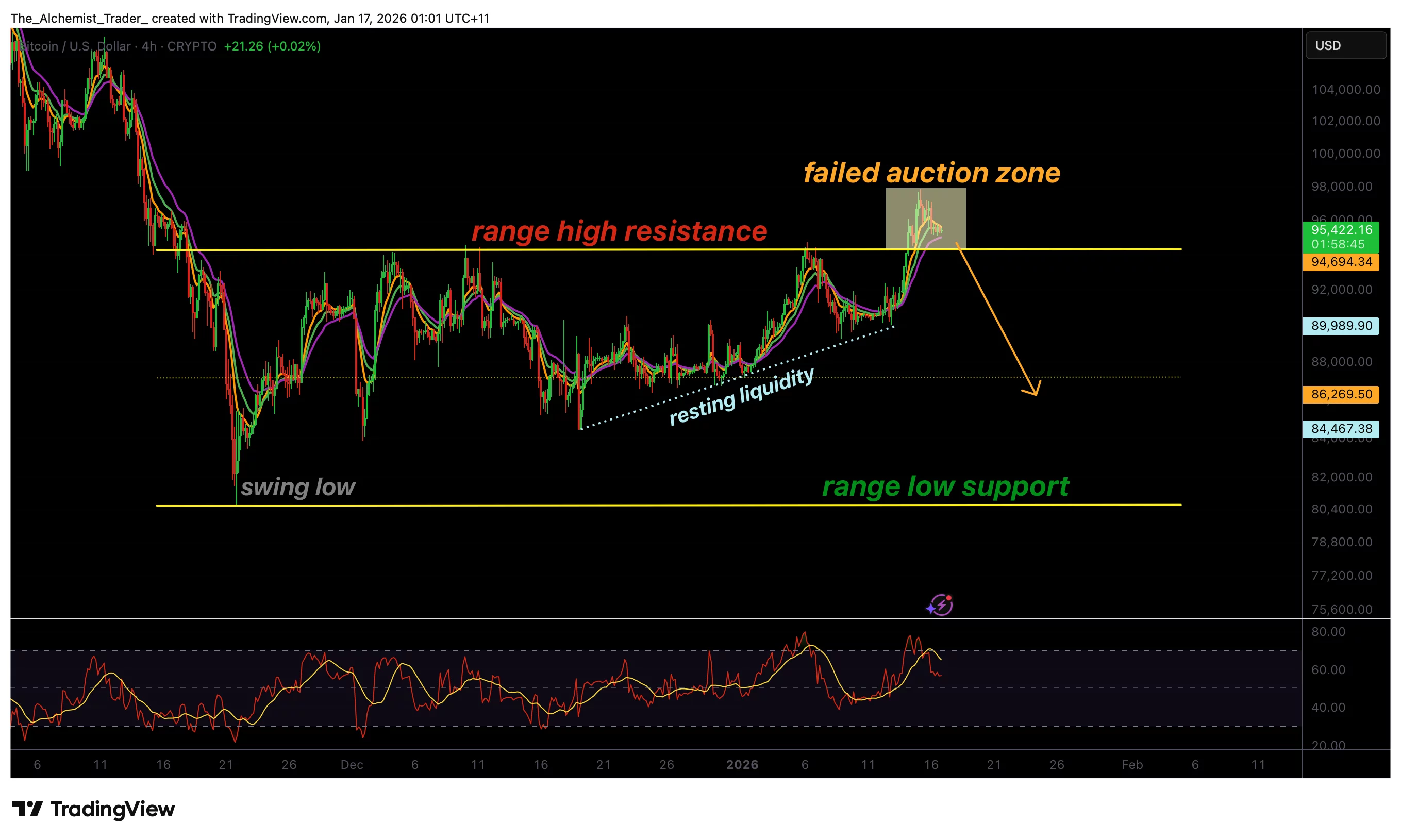
Bitcoin price shows failed auction traits as breakout volume weakens, rejection next?
3 Non-Nvidia High P/E Ratio Stocks Set for Over 40% Gains
‘De-dollarization’ is over: Investors shrug off Trump controversies and flock to U.S. assets
Deficits and Consumption: Insights from December’s US Fiscal Figures
Trending news
MoreCrypto prices
More






