- Stablecoin transaction volume surged
72% to a record $33 trillion in 2025, driven by policy clarity and rising global demand for digital dollars.
-
USDC dominated transaction flows with $18.3 trillion, outpacing USDT’s $13.3 trillion despite Tether’s larger market cap.
- Quarterly momentum accelerated, with Q4 2025 hitting $11 trillion, and analysts see stablecoin payments reaching $56 trillion by 2030.
Stablecoins are no longer a niche crypto tool. In 2025, they became a core pillar of global digital payments, reshaping how dollars move across borders, blockchains, and financial systems, according to Bloomberg.
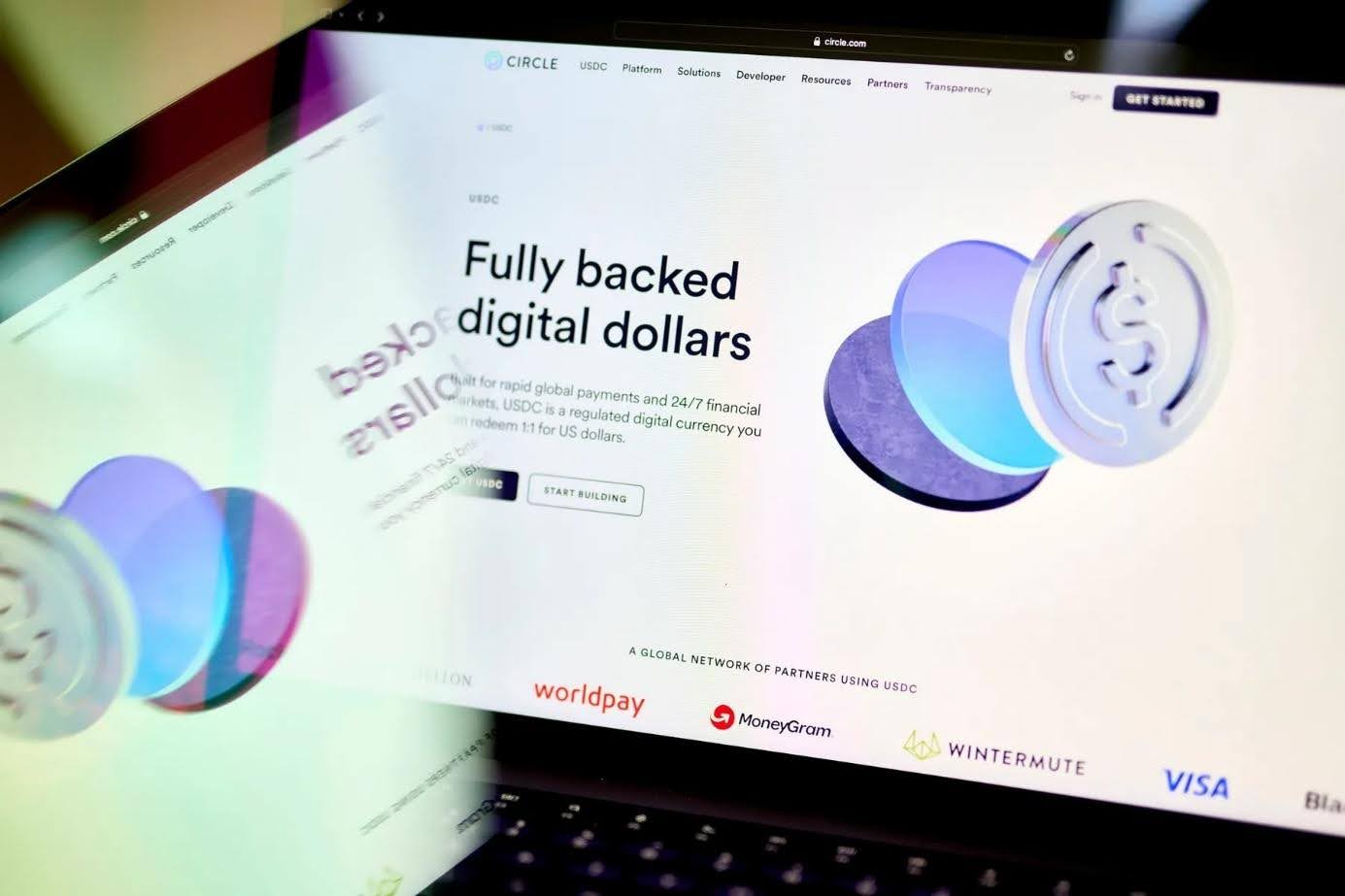
Table of Contents
Stablecoin Transactions Hit a Historic $33 Trillion
Stablecoin usage reached an all-time high in 2025, with total transaction volume climbing to
The growth coincided with a friendlier regulatory stance in the United States, where the federal government moved to formalize rules for dollar-backed stablecoins. Better legislation made the institutions, payment companies and large companies less uncertain and remained on the fringes.
Stablecoins are intended to follow the price of conventional assets, which are most often the US dollar. They make them attractive with speed, low cost and universal availability. The benefits in 2025 were converted into practical application at unimaginable scale, crypto trading, cross-border payments, treasury processes, and daily transactions.
The momentum continued to increase throughout the year but reached its peak in the last quarter when the volume of stablecoin transactions was at a high of $11 trillion, which was the highest amount ever recorded in a quarter.

USDC Takes the Lead in Transaction Volume
Although Tether USDT has not lost its market capitalization leadership, USDC was the undoubted leader in the number of transactions.
-
USDC transactions:$18.3 trillion
-
USDT transactions:$13.3 trillion
In 2025, the two controlled over 95% of the total amount of transaction volume in stablecoins. This split highlights a growing divergence between
Why USDC Moves More Often
USDC has become the preferred dollar asset across decentralized finance (DeFi) platforms. Traders and protocols reuse the same tokens repeatedly for lending, liquidity provision, derivatives, and automated trading strategies. As positions open and close, transaction counts multiply quickly.
USDT, by contrast, is often held for longer periods. It is widely used for settlements, remittances, and balance storage, meaning fewer movements per dollar issued.
This difference explains why USDC can generate higher transaction volume without surpassing USDT in overall supply.
Regulation Fuels Institutional Confidence
One of the biggest driving factors of 2025 was the regulatory certainty in the US. Legal risk associated with the adoption of stablecoins in business by the companies became less dangerous with emerging legislation identifying the terms of reserve support, disclosure, and regulation by the issuing companies.
In this transformation, institutional involvement became broader. Big banks, payment providers and MNCs began considering or experimenting with systems based on stablecoins to settle and transfer within their organization. Not only the retailers, but also the technology companies took a look at stablecoins as a possible way of lowering costs and speeding up payment and in particular international trade.
This climate proved to be most advantageous to USDC within most institutions. Its regulatory position, freedom of reserves and closeness to the US compliance model made it receptive to firms that highly value legal predictability and richness of liquidity.