
Lei Jun responds to SU7 price increase during livestream: "We really can't do 'more for the same price'" (Livestream transcript)

Show original
By:爱范儿
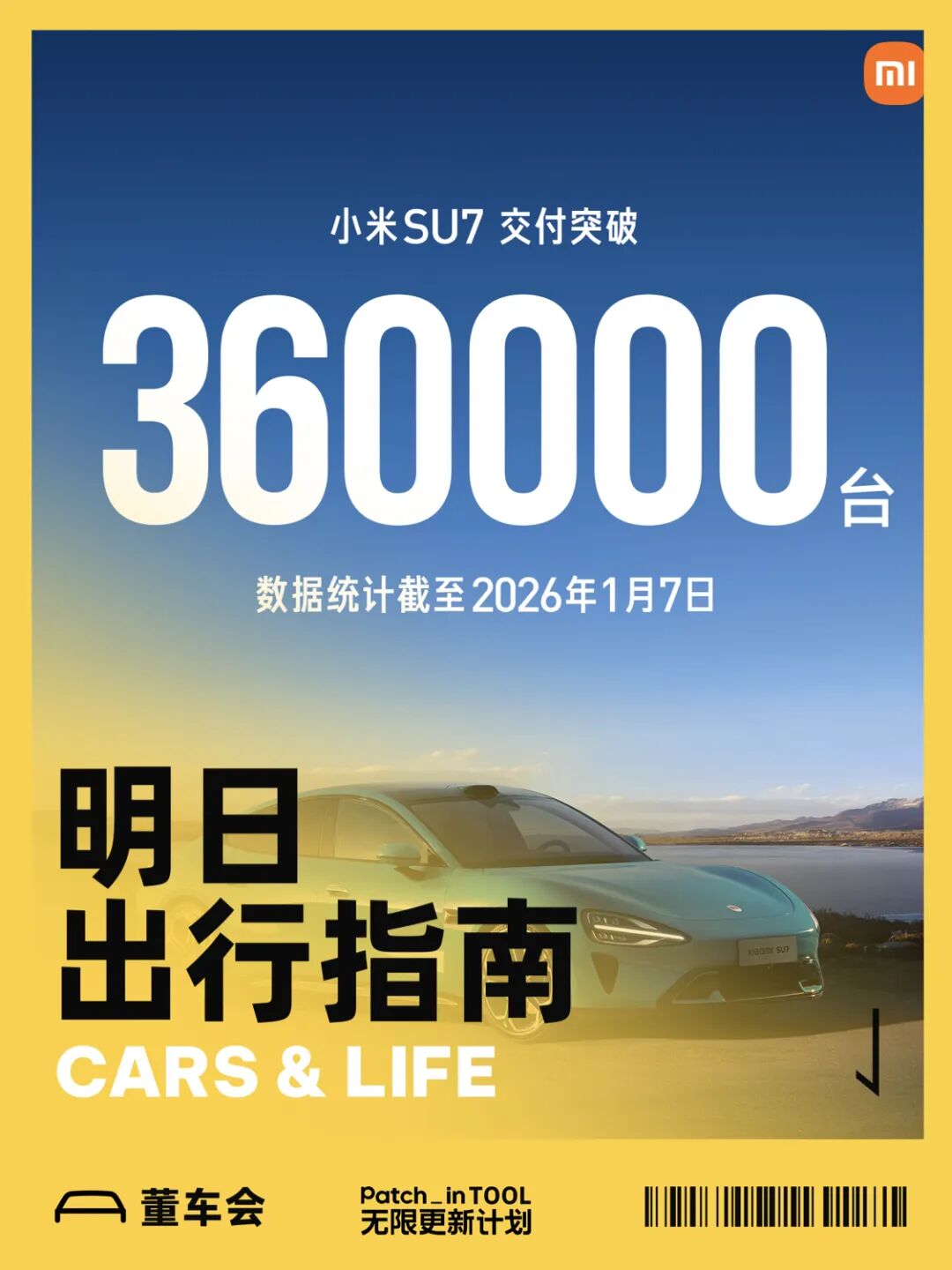
After the new generation Xiaomi SU7 was officially announced and pre-orders opened, Xiaomi Group Chairman Lei Jun, Xiaomi Auto Vice President Li Xiaoshuang, and Xiaomi PR Director Xu Jieyun held a livestream. During the livestream, Lei Jun and others once again introduced topics related to the price and configuration of the new generation Xiaomi SU7, and responded to some of the recent hotly discussed issues online. Dongchehui has compiled and optimized the key questions addressed during the livestream without affecting the original meaning. 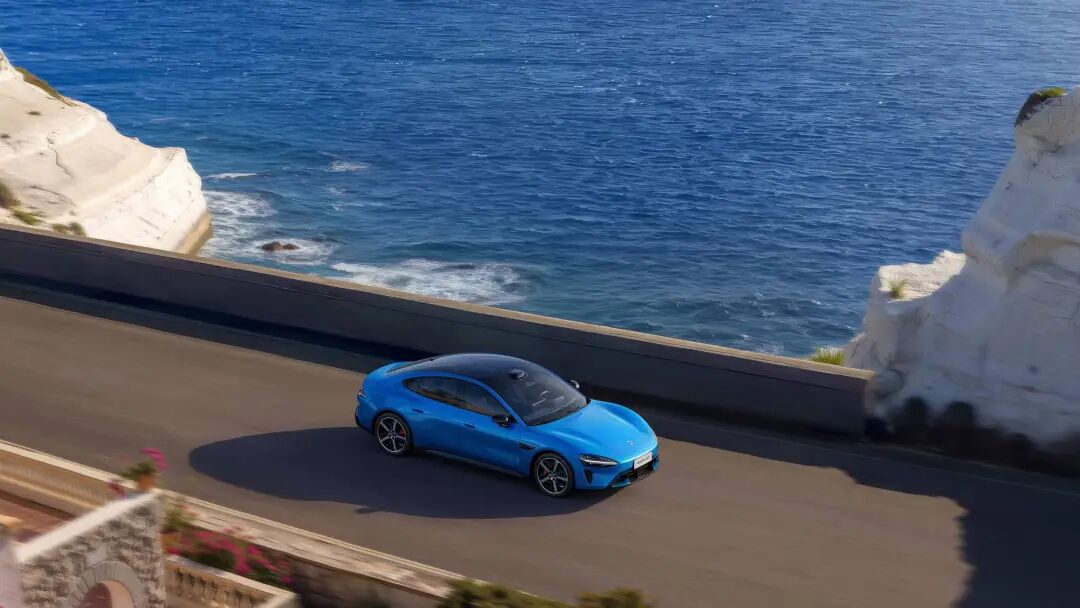 Why the price increase? Will the official selling price be lowered? Lei Jun Compared to the first generation, our Standard and Pro versions have increased by 14,000 yuan; the Max version has increased by 10,000 yuan. Seeing this pre-sale price, I've noticed intense discussions online. First of all, I want to explain that this upgrade includes a lot of improvements; the new generation SU7 has made great progress inside and out. For example, both the Standard and Pro versions are upgraded to an 800V silicon carbide high-voltage platform. Moreover, lidar is now standard across all models, and all assisted driving hardware is fully loaded. Simply put, just the upgrades to these hardcore configurations are worth tens of thousands. It's like a traditional gasoline car getting a comprehensive upgrade to its “three major components.” So, the scale of this product upgrade is particularly significant. Besides the product upgrade, there’s also a practical reason: rising supply chain costs. Automotive-grade memory prices are rising quarterly—up 40%-50% last quarter, and reportedly might rise another 70% this quarter. At this rate, just the cost of automotive memory alone could increase by thousands of yuan this year. Add to that rising commodity prices, and the cost pressure is truly immense. I've seen comments online speculating that, according to industry practice, the official price will definitely be 10,000 to 20,000 yuan cheaper than the pre-sale price; or saying “I believe Xiaomi will definitely give more for the same price.” I have to be upfront here: that’s really unlikely. With surging costs and several tens of thousands worth of additional configuration, we truly cannot achieve “more for the same price” anymore—please understand this. The appearance of the new SU7 seems unchanged—is this really a new generation? Lei Jun People may think that exterior changes are the most obvious and significant. But I want to say, the real changes are actually in the “internal capabilities.” The exterior has indeed been slightly adjusted—which will be explained in detail later—but the internal upgrades this time are truly groundbreaking, from the chassis and electric drive to the electronic architecture, all have been revamped. As for the interior, if you look at the pictures, you'll see it's been completely redesigned.
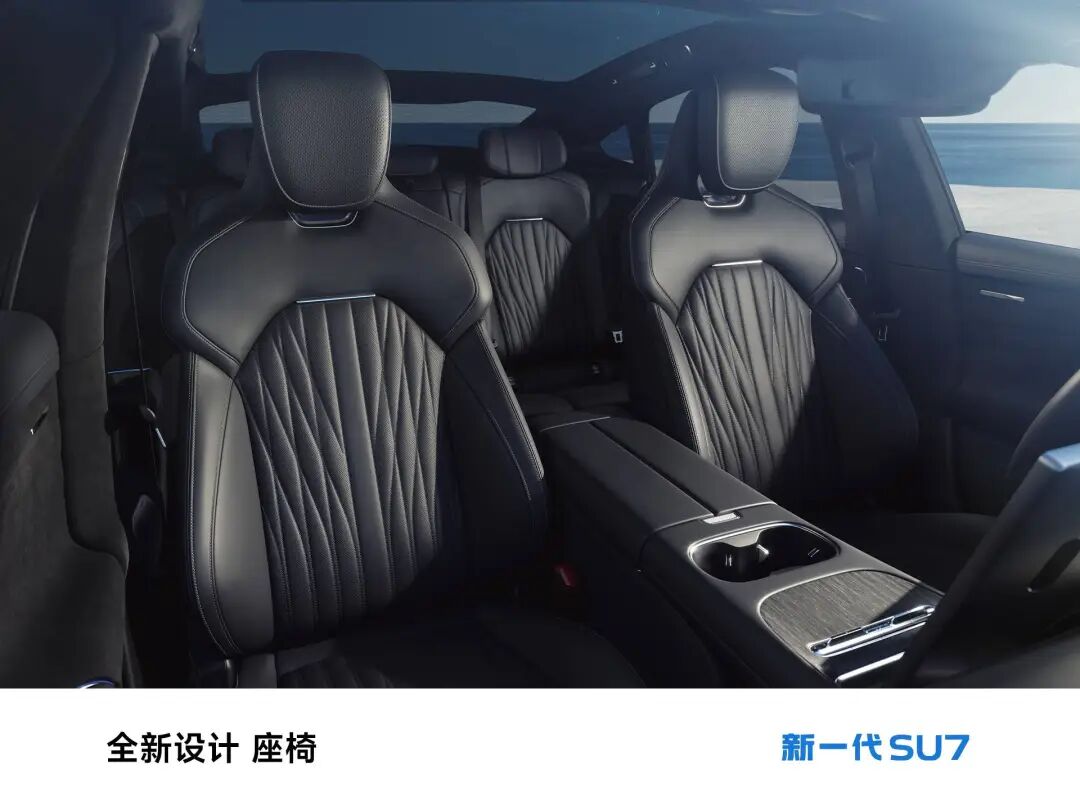
 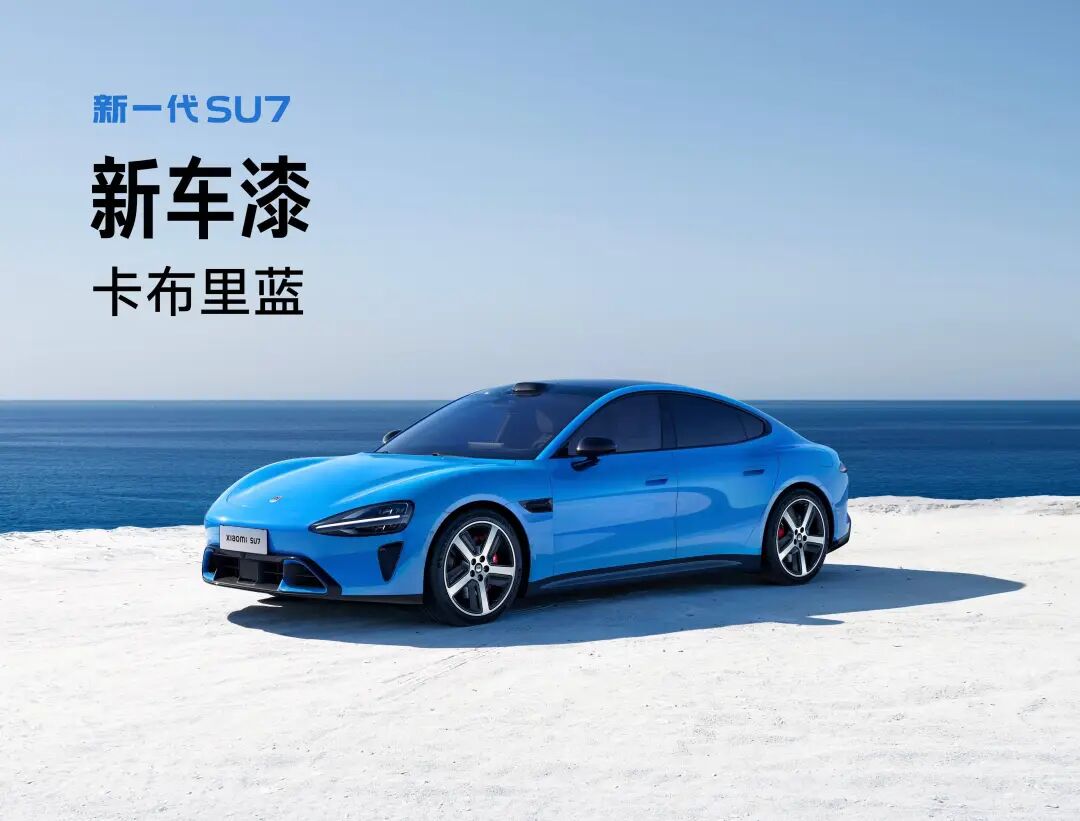 Li Tianyuan (Xiaomi Auto Designer ) Actually, the exterior has not remained entirely unchanged. If you look closely at the images we released, you'll notice detail adjustments in the black area of the front face. This change is mainly due to the upgrade to 4D millimeter-wave radar, now standard on all models. This radar has a square structure and is located in the middle of the front grille. If you recall, the old SU7 had a continuous horizontal grille in the middle, but to fit the new radar, we had to make some minor design tweaks. However, our decision to largely stick to the original design was for two reasons: First, we still believe the SU7's design is very enduring. Both internal research and external feedback show that everyone wants this aesthetic to continue. Second, we want to consider the feelings of existing owners. Imagine if a customer just picked up their car and the new model's appearance changed drastically—it would feel uncomfortable. We think it's necessary to respect these feelings. This is also directly related to retention of value. As you know, the SU7 has long held the top spot in terms of value retention. We don’t want to cause drastic fluctuations in value just for the sake of change, which would harm users' interests. Frankly, in today’s environment, choosing “not to change” actually takes a lot of courage and confidence. Lei Jun Originally, we aimed to create a “timeless design.” Two years later, it’s still stunning, so we made the decision to keep the appearance largely unchanged. I think making this decision takes a lot of confidence. And I firmly believe that even today, this design remains highly competitive and is still loved by many. Does the new black interior look too “old-fashioned”? Lei Jun Some people joke that our seat design is a bit “old-school.” But that's really not the case at all. First, regarding the black interior, people may find it a bit subdued. But actually, we did a lot of user research and found many users still prefer black. To avoid an all-black look from feeling too oppressive or monotonous, we deliberately used gray contrast stitching and added quilting techniques. When you sit in and experience it yourself, you'll find it's “steady yet lively”—in fact, very stylish. Also, don’t worry, besides black, there are other color options. But honestly, when you sit in the car with this black interior, it feels very high-end—the sense of luxury and comfort is palpable.
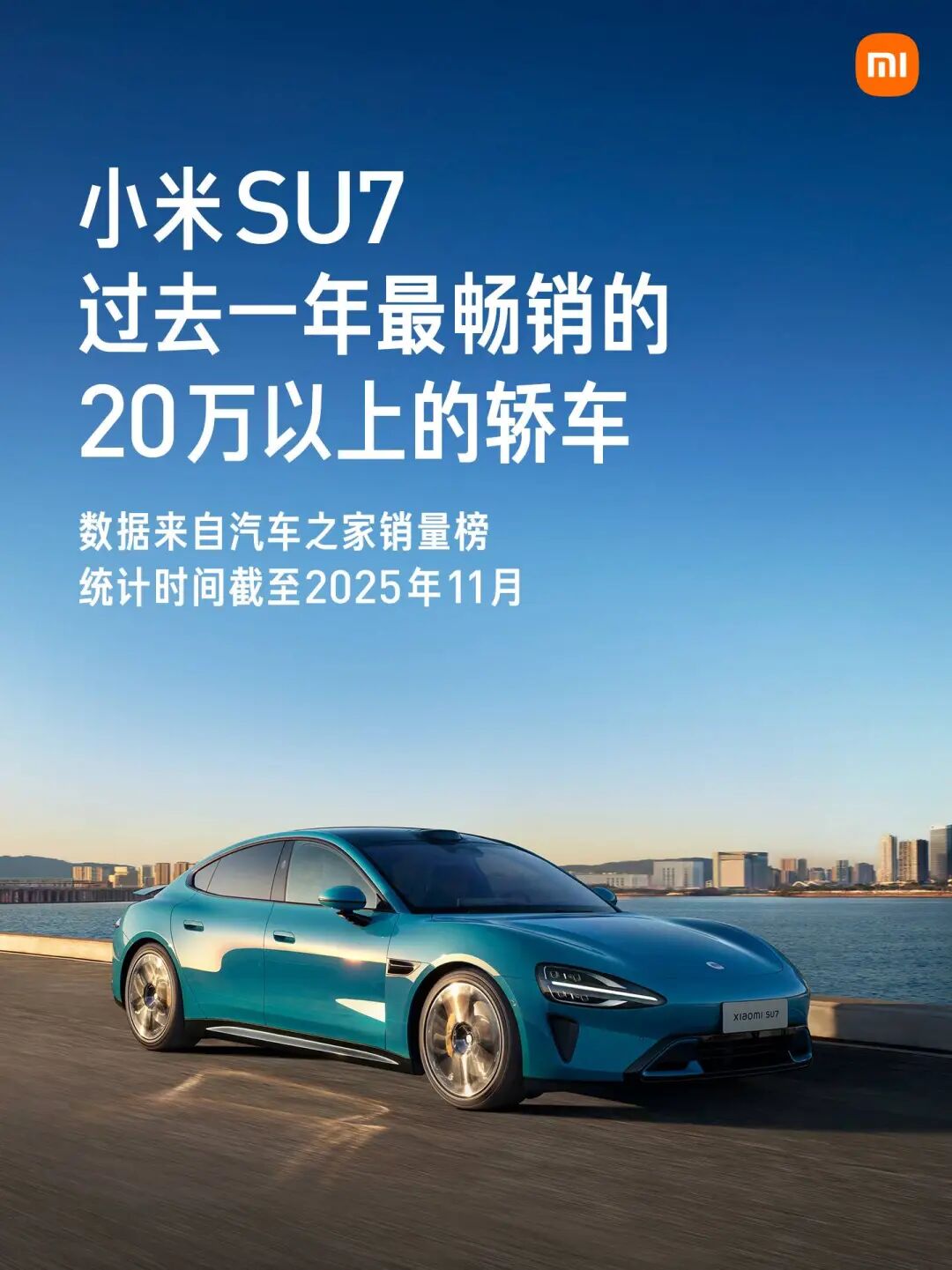
  Why announce the new model information three months in advance? Lei Jun I think buying a car is a big decision, not an impulse purchase. So we want to give everyone enough time to experience, think carefully, and have ample space to make their choice. Moreover, the SU7 is a “blockbuster” and this is its first update, so we are being extra cautious and careful. We want to notify all SU7 owners and prospective owners as early as possible so everyone has clear expectations. That’s why we decided to inform everyone three to four months in advance. We sincerely hope everyone will support this update. Regarding the recent KOL placement controversy Lei Jun In recent days, I’ve seen discussions about the controversy with a certain self-media partner. Some people think our punishment of internal employees was too harsh; some even worry that we’ve been swayed by extreme opinions. First of all, Xiaomi conducted a very serious investigation, and after repeated management discussions, made this strict disciplinary decision. Why such a decision? To be clear: it’s not because this KOL criticized Xiaomi, nor because he offended Xiaomi fans. As you know, over 15 years of Xiaomi, there have been plenty of critics. It’s even a joke that many of Xiaomi’s harshest critics later joined the company. I think that’s normal—tolerance is important. But why is this case different? The seriousness lies in the fact that this KOL was consistently attacking, belittling, and even cursing Xiaomi users. As a company, this is absolutely intolerable. Our bottom line is to firmly stand up for our users and car owners. We will never cooperate with anyone who slanders or curses our users. That’s our bottom line. On this matter, our PR department indeed failed to properly screen, so the company decided to issue stern criticism and penalties. Of course, I also hope Xiaomi fans can understand and give them a chance to improve. Click the video to watch Lei Jun's response⬇️ Previously said we wouldn’t do promotional placements, but this time contradicted ourselves Xu Jieyun Actually, over ten years ago, Lei Jun did say in an interview that Xiaomi didn’t advertise and basically didn’t have a marketing or PR department. But remember, that was more than a decade ago, when Xiaomi had just started. Back then, it was mainly engineers active in communities and Weibo, directly communicating with users. Now, after all these years, Xiaomi’s scale, business complexity, and scope are completely different. In this process, we’ve learned from our peers and gradually built this marketing system. So, when discussing these old comments, you have to consider the time span and the context of that era. Are in-stock and nearly new cars just marketing tactics? Lei Jun Each of our cars comes in nine colors, four interiors, and a wide range of optional configurations. Combine these, and the SKU (stock-keeping unit) count is probably in the hundreds of thousands. Let’s just say “a lot,” otherwise people online will start nitpicking the exact number. This leads to a situation. As everyone knows, Xiaomi Auto uses a “build-to-order” production model—we only start production after the user places an order. But what if the car is produced and the customer backs out? Even with a 5,000 yuan deposit, cancellations do happen. For example, some competitors promise, “If you cancel your Xiaomi order, we’ll reimburse your lost deposit”; or maybe the user hasn’t prepared funds or a license plate, so they skip the order. So what about the car that’s already been built? The usual approach is to look through all pending orders to see if another user happened to order the exact same configuration, and match this in-stock car to them. This explains why some people complain, “Why did someone behind me in line get their car first?” It’s not cutting in line—it’s just that someone ahead canceled, and their configuration happened to match the in-stock car. But then another tricky problem arises. Because our configuration options are so numerous, some very “odd” combinations appear. For instance, someone maxes out all configurations, making the car cost over 300,000 yuan, but chooses the smallest 19-inch wheels. This is troublesome. If the customer for this “fully loaded + small tires” car cancels, it’s almost impossible to match it to another buyer in the order pool. Understand that “build-to-order” and traditional “in-stock sales” models are vastly different. If such a highly customized car is canceled, the loss to us is very high. So, for such abandoned in-stock cars, we did a centralized handling in December. Is Lei Jun really a “marketing master”? Lei Jun Where did the “marketing master” label come from? It was actually an entertainment show in 2013 or 2014. Back then, Liu Qiangdong and I led two teams in a competition. Dong Ge’s team privately discussed: “Never compete with Lei Jun on marketing—he can sell hundreds of thousands of phones.” This comment was then exaggerated endlessly. But think about it—how could a single person sell that many phones? Understand that was just an entertainment program, and of course things are exaggerated for effect. It was a joke, but competitors used it against us. (Xu Jieyun interjects: This is a classic attack tactic—“labeling.” When Xiaomi products sell well, people twist it into “it’s all because of marketing,” denying the quality of the products themselves.) Exactly. On the surface, “marketing master” sounds like praise, but honestly, now I’m almost physically repulsed by the word “marketing.” Actually, “marketing” is a neutral word, but some people have deliberately stigmatized it. They try to attribute all of Xiaomi’s good products to good marketing, misleading many outsiders and obscuring the truth. Think about it—could the SU7 be a hit and sales champion without outstanding product strength, relying on marketing alone?
  (There was some discussion in the middle about losing social media followers.) In the past, we really thought these were minor issues, believing “truth speaks for itself” and it didn’t matter what people said. But after these eight or nine months, I’ve realized that attacks by paid trolls are indeed a ruthless tactic. Still, I always believe that as long as these things are brought into the open, people will judge fairly. I’ve also told internal colleagues—even if my explanations can’t persuade everyone, “I don’t need to convince internet trolls, because behind them are just rows of motherboards.” After 16 years of Xiaomi, so many people know me and Xiaomi. All along, we’ve stuck to being truthful. Of course, we’ve made mistakes, but our principle is to correct them. And we’re always willing to communicate honestly with everyone—that’s our style. So, I believe that Xiaomi fans, users, and car owners who truly understand Xiaomi will, through our products and our 16-year journey, come to understand and trust us more deeply. Did you really have 15 meetings just for a cup? Xu Jieyun I specifically checked all the meeting minutes. For important formal product meetings like this, we have records. I counted—there are at least 16 formal records. But there’s a big misunderstanding here. People think we held 15 meetings just for a cup. Actually, these meetings usually discussed a series of products, but the cup was at least a repeated topic in 16 meetings. Why so many meetings? Take the final version as an example—here’s a detail: it uses a “mask spraying” process for the two colors, including the color transition waistline. The logo here has to be manually applied by factory workers after mask spraying. Why make it so complicated? It’s to create a delicate, 3D tactile feel when you touch it. I believe many car owners have this cup. You can experience it yourself and help verify whether the feel is truly unique. It’s precisely because of our extreme attention to detail that we had so many meetings on something seemingly trivial. These dozens of rounds of refinement were to push the texture and materials to the absolute limit of what we could achieve. Editor | Mustard
Why the price increase? Will the official selling price be lowered? Lei Jun Compared to the first generation, our Standard and Pro versions have increased by 14,000 yuan; the Max version has increased by 10,000 yuan. Seeing this pre-sale price, I've noticed intense discussions online. First of all, I want to explain that this upgrade includes a lot of improvements; the new generation SU7 has made great progress inside and out. For example, both the Standard and Pro versions are upgraded to an 800V silicon carbide high-voltage platform. Moreover, lidar is now standard across all models, and all assisted driving hardware is fully loaded. Simply put, just the upgrades to these hardcore configurations are worth tens of thousands. It's like a traditional gasoline car getting a comprehensive upgrade to its “three major components.” So, the scale of this product upgrade is particularly significant. Besides the product upgrade, there’s also a practical reason: rising supply chain costs. Automotive-grade memory prices are rising quarterly—up 40%-50% last quarter, and reportedly might rise another 70% this quarter. At this rate, just the cost of automotive memory alone could increase by thousands of yuan this year. Add to that rising commodity prices, and the cost pressure is truly immense. I've seen comments online speculating that, according to industry practice, the official price will definitely be 10,000 to 20,000 yuan cheaper than the pre-sale price; or saying “I believe Xiaomi will definitely give more for the same price.” I have to be upfront here: that’s really unlikely. With surging costs and several tens of thousands worth of additional configuration, we truly cannot achieve “more for the same price” anymore—please understand this. The appearance of the new SU7 seems unchanged—is this really a new generation? Lei Jun People may think that exterior changes are the most obvious and significant. But I want to say, the real changes are actually in the “internal capabilities.” The exterior has indeed been slightly adjusted—which will be explained in detail later—but the internal upgrades this time are truly groundbreaking, from the chassis and electric drive to the electronic architecture, all have been revamped. As for the interior, if you look at the pictures, you'll see it's been completely redesigned. Li Tianyuan (Xiaomi Auto Designer ) Actually, the exterior has not remained entirely unchanged. If you look closely at the images we released, you'll notice detail adjustments in the black area of the front face. This change is mainly due to the upgrade to 4D millimeter-wave radar, now standard on all models. This radar has a square structure and is located in the middle of the front grille. If you recall, the old SU7 had a continuous horizontal grille in the middle, but to fit the new radar, we had to make some minor design tweaks. However, our decision to largely stick to the original design was for two reasons: First, we still believe the SU7's design is very enduring. Both internal research and external feedback show that everyone wants this aesthetic to continue. Second, we want to consider the feelings of existing owners. Imagine if a customer just picked up their car and the new model's appearance changed drastically—it would feel uncomfortable. We think it's necessary to respect these feelings. This is also directly related to retention of value. As you know, the SU7 has long held the top spot in terms of value retention. We don’t want to cause drastic fluctuations in value just for the sake of change, which would harm users' interests. Frankly, in today’s environment, choosing “not to change” actually takes a lot of courage and confidence. Lei Jun Originally, we aimed to create a “timeless design.” Two years later, it’s still stunning, so we made the decision to keep the appearance largely unchanged. I think making this decision takes a lot of confidence. And I firmly believe that even today, this design remains highly competitive and is still loved by many. Does the new black interior look too “old-fashioned”? Lei Jun Some people joke that our seat design is a bit “old-school.” But that's really not the case at all. First, regarding the black interior, people may find it a bit subdued. But actually, we did a lot of user research and found many users still prefer black. To avoid an all-black look from feeling too oppressive or monotonous, we deliberately used gray contrast stitching and added quilting techniques. When you sit in and experience it yourself, you'll find it's “steady yet lively”—in fact, very stylish. Also, don’t worry, besides black, there are other color options. But honestly, when you sit in the car with this black interior, it feels very high-end—the sense of luxury and comfort is palpable. Why announce the new model information three months in advance? Lei Jun I think buying a car is a big decision, not an impulse purchase. So we want to give everyone enough time to experience, think carefully, and have ample space to make their choice. Moreover, the SU7 is a “blockbuster” and this is its first update, so we are being extra cautious and careful. We want to notify all SU7 owners and prospective owners as early as possible so everyone has clear expectations. That’s why we decided to inform everyone three to four months in advance. We sincerely hope everyone will support this update. Regarding the recent KOL placement controversy Lei Jun In recent days, I’ve seen discussions about the controversy with a certain self-media partner. Some people think our punishment of internal employees was too harsh; some even worry that we’ve been swayed by extreme opinions. First of all, Xiaomi conducted a very serious investigation, and after repeated management discussions, made this strict disciplinary decision. Why such a decision? To be clear: it’s not because this KOL criticized Xiaomi, nor because he offended Xiaomi fans. As you know, over 15 years of Xiaomi, there have been plenty of critics. It’s even a joke that many of Xiaomi’s harshest critics later joined the company. I think that’s normal—tolerance is important. But why is this case different? The seriousness lies in the fact that this KOL was consistently attacking, belittling, and even cursing Xiaomi users. As a company, this is absolutely intolerable. Our bottom line is to firmly stand up for our users and car owners. We will never cooperate with anyone who slanders or curses our users. That’s our bottom line. On this matter, our PR department indeed failed to properly screen, so the company decided to issue stern criticism and penalties. Of course, I also hope Xiaomi fans can understand and give them a chance to improve. Click the video to watch Lei Jun's response⬇️ Previously said we wouldn’t do promotional placements, but this time contradicted ourselves Xu Jieyun Actually, over ten years ago, Lei Jun did say in an interview that Xiaomi didn’t advertise and basically didn’t have a marketing or PR department. But remember, that was more than a decade ago, when Xiaomi had just started. Back then, it was mainly engineers active in communities and Weibo, directly communicating with users. Now, after all these years, Xiaomi’s scale, business complexity, and scope are completely different. In this process, we’ve learned from our peers and gradually built this marketing system. So, when discussing these old comments, you have to consider the time span and the context of that era. Are in-stock and nearly new cars just marketing tactics? Lei Jun Each of our cars comes in nine colors, four interiors, and a wide range of optional configurations. Combine these, and the SKU (stock-keeping unit) count is probably in the hundreds of thousands. Let’s just say “a lot,” otherwise people online will start nitpicking the exact number. This leads to a situation. As everyone knows, Xiaomi Auto uses a “build-to-order” production model—we only start production after the user places an order. But what if the car is produced and the customer backs out? Even with a 5,000 yuan deposit, cancellations do happen. For example, some competitors promise, “If you cancel your Xiaomi order, we’ll reimburse your lost deposit”; or maybe the user hasn’t prepared funds or a license plate, so they skip the order. So what about the car that’s already been built? The usual approach is to look through all pending orders to see if another user happened to order the exact same configuration, and match this in-stock car to them. This explains why some people complain, “Why did someone behind me in line get their car first?” It’s not cutting in line—it’s just that someone ahead canceled, and their configuration happened to match the in-stock car. But then another tricky problem arises. Because our configuration options are so numerous, some very “odd” combinations appear. For instance, someone maxes out all configurations, making the car cost over 300,000 yuan, but chooses the smallest 19-inch wheels. This is troublesome. If the customer for this “fully loaded + small tires” car cancels, it’s almost impossible to match it to another buyer in the order pool. Understand that “build-to-order” and traditional “in-stock sales” models are vastly different. If such a highly customized car is canceled, the loss to us is very high. So, for such abandoned in-stock cars, we did a centralized handling in December. Is Lei Jun really a “marketing master”? Lei Jun Where did the “marketing master” label come from? It was actually an entertainment show in 2013 or 2014. Back then, Liu Qiangdong and I led two teams in a competition. Dong Ge’s team privately discussed: “Never compete with Lei Jun on marketing—he can sell hundreds of thousands of phones.” This comment was then exaggerated endlessly. But think about it—how could a single person sell that many phones? Understand that was just an entertainment program, and of course things are exaggerated for effect. It was a joke, but competitors used it against us. (Xu Jieyun interjects: This is a classic attack tactic—“labeling.” When Xiaomi products sell well, people twist it into “it’s all because of marketing,” denying the quality of the products themselves.) Exactly. On the surface, “marketing master” sounds like praise, but honestly, now I’m almost physically repulsed by the word “marketing.” Actually, “marketing” is a neutral word, but some people have deliberately stigmatized it. They try to attribute all of Xiaomi’s good products to good marketing, misleading many outsiders and obscuring the truth. Think about it—could the SU7 be a hit and sales champion without outstanding product strength, relying on marketing alone? (There was some discussion in the middle about losing social media followers.) In the past, we really thought these were minor issues, believing “truth speaks for itself” and it didn’t matter what people said. But after these eight or nine months, I’ve realized that attacks by paid trolls are indeed a ruthless tactic. Still, I always believe that as long as these things are brought into the open, people will judge fairly. I’ve also told internal colleagues—even if my explanations can’t persuade everyone, “I don’t need to convince internet trolls, because behind them are just rows of motherboards.” After 16 years of Xiaomi, so many people know me and Xiaomi. All along, we’ve stuck to being truthful. Of course, we’ve made mistakes, but our principle is to correct them. And we’re always willing to communicate honestly with everyone—that’s our style. So, I believe that Xiaomi fans, users, and car owners who truly understand Xiaomi will, through our products and our 16-year journey, come to understand and trust us more deeply. Did you really have 15 meetings just for a cup? Xu Jieyun I specifically checked all the meeting minutes. For important formal product meetings like this, we have records. I counted—there are at least 16 formal records. But there’s a big misunderstanding here. People think we held 15 meetings just for a cup. Actually, these meetings usually discussed a series of products, but the cup was at least a repeated topic in 16 meetings. Why so many meetings? Take the final version as an example—here’s a detail: it uses a “mask spraying” process for the two colors, including the color transition waistline. The logo here has to be manually applied by factory workers after mask spraying. Why make it so complicated? It’s to create a delicate, 3D tactile feel when you touch it. I believe many car owners have this cup. You can experience it yourself and help verify whether the feel is truly unique. It’s precisely because of our extreme attention to detail that we had so many meetings on something seemingly trivial. These dozens of rounds of refinement were to push the texture and materials to the absolute limit of what we could achieve. Editor | Mustard 
0
0
Disclaimer: The content of this article solely reflects the author's opinion and does not represent the platform in any capacity. This article is not intended to serve as a reference for making investment decisions.
PoolX: Earn new token airdrops
Lock your assets and earn 10%+ APR
Lock now!
You may also like
Wing plans to introduce drone delivery services at an additional 150 Walmart locations
101 finance•2026/01/11 15:30
Google unveils new agentic commerce protocol for retailers
101 finance•2026/01/11 15:09
Magnificent 7’s Grip on the Stock Market Begins to Weaken
101 finance•2026/01/11 14:54
Best Crypto to Buy Now: Bitcoin Slips After Jobless Claims Surprise as Tapzi and SUI Draw Investor Attention
BlockchainReporter•2026/01/11 14:30
Trending news
MoreCrypto prices
More
Bitcoin
BTC
$90,686.92
+0.15%

Ethereum
ETH
$3,110.75
+0.61%

Tether USDt
USDT
$0.9986
-0.01%

XRP
XRP
$2.09
-0.30%

BNB
BNB
$907.2
-0.11%

Solana
SOL
$137.94
+1.20%

USDC
USDC
$0.9997
-0.00%

TRON
TRX
$0.2990
+0.07%

Dogecoin
DOGE
$0.1377
-1.51%

Cardano
ADA
$0.3893
-0.01%
How to buy BTC
Bitget lists BTC – Buy or sell BTC quickly on Bitget!
Trade now
Become a trader now?A welcome pack worth 6200 USDT for new users!
Sign up now