
Gold, US Stocks, and Bond Market Suddenly Move in Sync—What Signals Are Hidden in the December CPI?

FX678, January 13—— On Tuesday (January 13), the U.S. Department of Labor released the Consumer Price Index (CPI) data for December 2025. After the data was released, the market quickly turned positive, with stock index futures reversing losses to gains and safe-haven assets like gold accelerating upward, highlighting investors' strengthened expectations for Federal Reserve policy easing.
On Tuesday (January 13), the U.S. Department of Labor released the Consumer Price Index (CPI) data for December 2025. The overall annual CPI was 2.7%, in line with market expectations; the monthly rate was 0.3%, also matching expectations. However, the core CPI (excluding food and energy) annual rate was 2.6%, slightly below the expected 2.7%; the monthly rate was 0.2%, also weaker than the expected 0.3%. The data show that overall inflationary pressures remain stable, but core metrics are somewhat soft, reflecting the retreat in energy prices and relief in some commodity cost pressures. After the data was released, the market quickly turned positive, with stock index futures reversing losses to gains and safe-haven assets like gold accelerating upward, underscoring investors' reinforced expectations for Fed policy easing.
Before the data release, market sentiment was cautious. U.S. stock futures were under pressure, mainly affected by global economic uncertainty and geopolitical factors. Gold had already accumulated some gains before the data, indicating that some funds were positioning in advance for a potential inflation downturn. Retail traders generally remained cautious, believing that if the core CPI exceeded expectations, it could strengthen the expectation that the Fed would delay rate cuts, thus putting pressure on growth stocks. Institutional opinions were divided: some analysts believed that earlier data might have been technically underestimated, and this reading had upside risk; others pointed out that the continued cooling of the labor market might further suppress inflation.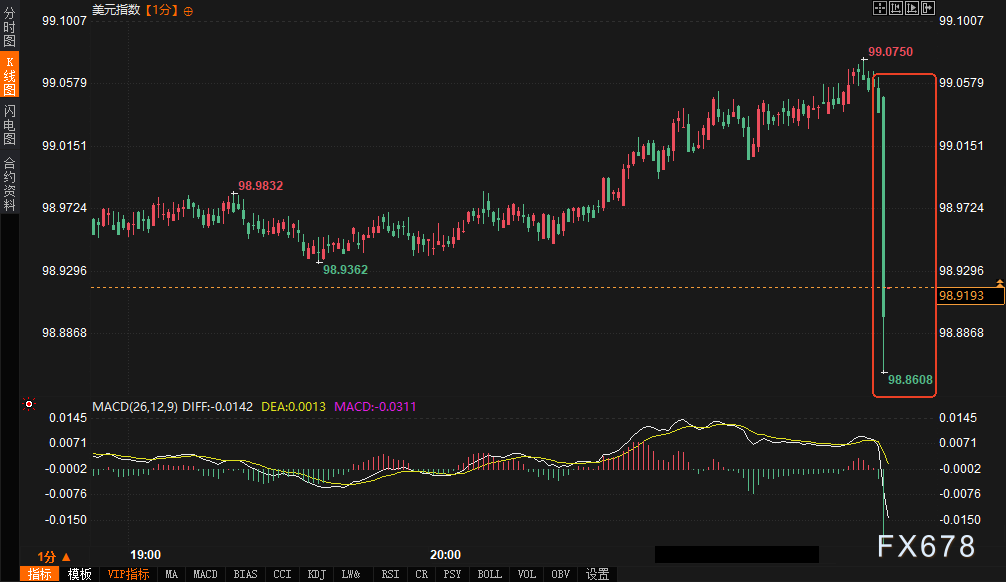
After the data was released, the market responded immediately. Major U.S. stock index futures rebounded rapidly, with Dow Jones, S&P 500, and Nasdaq 100 futures all turning upward. Spot gold prices surged quickly, with platinum performing even more strongly, breaking through multiple levels in succession. Meanwhile, U.S. Treasury yields fell and the dollar index declined. This series of moves clearly reflects the market's repricing of Fed rate cut expectations, as traders increased their bets on future policy easing.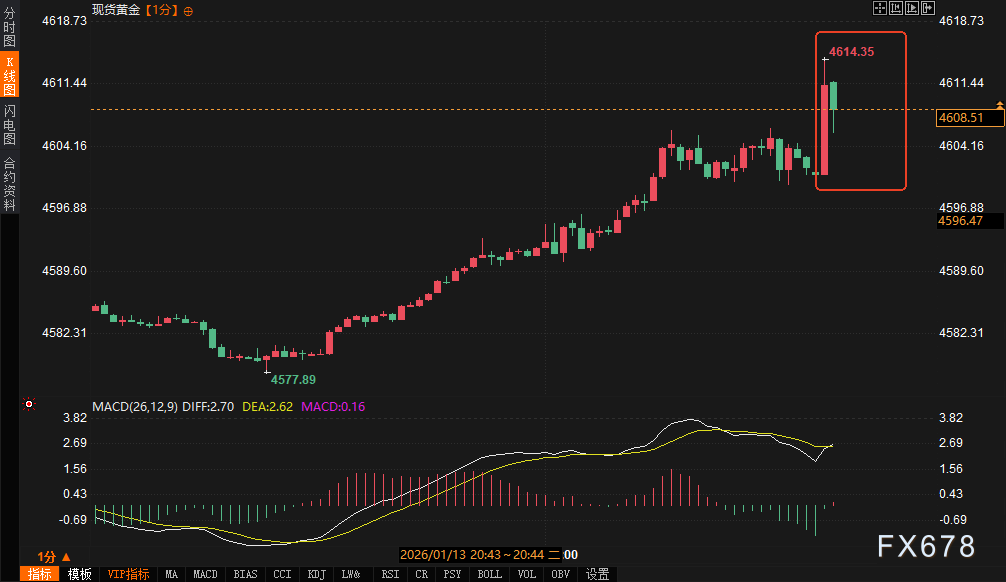
From the perspective of Fed policy, this data reinforces the easing logic. Although the Fed showed a cautious attitude toward further rate cuts at the end of last year, the moderate performance of core inflation has alleviated concerns about inflation stickiness. Specifically, housing and food prices still face upward pressure, but the marked retreat in prices for energy and used cars has balanced the overall inflation trend. After the data release, institutional interpretations quickly turned optimistic, believing that the lower-than-expected core reading could increase the probability of a near-term rate cut, which is favorable for both stocks and bonds. Retail responses were more diverse: some believe this confirms the trend of cooling inflation and is bullish for risk assets, while others warn to watch for future tax reforms and other factors that could trigger a rebound in inflation.
Market sentiment shifted significantly before and after the data release. Before the announcement, sentiment was defensive, dominated by external uncertainties and concerns about "inflation stickiness." Afterward, as core inflation did not exceed expectations and even appeared slightly weak, sentiment turned mildly optimistic, with positive interpretations of the economic growth outlook prevailing. The rise in gold and platinum reflected not only the fundamental logic of a weaker dollar and safe-haven demand but also technical support and breakthroughs at key price levels; subsequent movements can be monitored with reference to preset support and resistance zones as a gauge of market dynamics.
This data has had a broad impact on the market. The softness of core inflation has eased the Fed's dual pressure: there is no need to rush to tighten policy due to overheating inflation, while also leaving room to respond to a possible economic slowdown. Compared with similar historical periods, the current "moderate inflation" environment often supports higher stock market levels, but also brings increased volatility. In the short term, the rebound in U.S. stock futures shows a rapid warming of risk appetite. Both retail and institutional discussions believe this maintains the rate-cut narrative, and after some near-term range-bound moves, it could provide support for the subsequent performance of risk assets.
Looking ahead, the path of inflation is expected to remain moderately downward, though fluctuations are possible. The market consensus is that inflation will continue its downward trajectory into 2026, but attention should be paid to potential short-term rebounds caused by factors such as tax reform stimuli and base effects at the beginning of the year. The upcoming Fed meeting will closely examine subsequent data, especially labor market and consumer indicators, to assess economic resilience. Overall, although this CPI reading brought no major surprises, by confirming that inflation is under control, it has strengthened market confidence in policy flexibility, driven a short-term rebound in risk assets, and supported expectations of a soft landing for the economy. Investors should continue to monitor key economic data and developments in external geopolitical events, as these factors may amplify market volatility.
Disclaimer: The content of this article solely reflects the author's opinion and does not represent the platform in any capacity. This article is not intended to serve as a reference for making investment decisions.
You may also like
 VIPBitget VIP Weekly Research Insights

Bitcoin’s Resurgence: US Demand Shifts Market Sentiment
India Crypto Industry Pushes Tax Reform Ahead of Feb Budget
Trending news
MoreCrypto prices
More






