
YouTube eases its monetization rules for certain sensitive subjects

YouTube Expands Monetization for Sensitive Topics
YouTube has revised its advertiser-friendly content policies, now permitting more videos that address controversial subjects to qualify for full advertising revenue. This applies as long as the content is either dramatized or discussed without explicit or graphic detail. Topics affected by this change include self-harm, abortion, suicide, and domestic or sexual abuse. However, videos focusing on child abuse or eating disorders will still not be eligible for full monetization.
The update was shared this week through a video on YouTube’s Creator Insider channel.
Previously, YouTube did not take into account how graphic or descriptive a video was when determining its suitability for advertisers, even if the content was dramatized. As a result, many such videos received a yellow dollar sign, limiting their ad revenue potential. With the latest policy adjustment, YouTube is relaxing these restrictions, allowing creators to earn more from their work.
This shift comes in response to feedback from creators, who expressed concerns that the previous guidelines unfairly restricted monetization for dramatized or topical content. YouTube emphasized its commitment to supporting creators who share sensitive stories or produce dramatized material, ensuring they have better opportunities to generate ad income.
YouTube explained that after reviewing its policies, it found them overly strict, leading to demonetization of content that, while referencing controversial issues, was presented in a fictional or non-graphic context. As long as videos avoid explicit or highly descriptive scenes, creators can now benefit from increased ad revenue, even when addressing sensitive subjects.
This policy change is part of a broader trend on YouTube to relax its approach to content moderation.
Last year, the company instructed moderators to keep certain videos online if they served the public interest, even if they might otherwise violate platform rules. These included discussions on political, social, and cultural matters. This adjustment coincided with a wider rollback of content moderation across social media platforms following President Donald Trump’s return to office.
Despite these changes, YouTube clarified that certain subjects—such as child abuse, child sex trafficking, and eating disorders—will continue to be excluded from monetization. Videos that contain detailed depictions or dramatizations of these issues remain ineligible for ad revenue.
Disclaimer: The content of this article solely reflects the author's opinion and does not represent the platform in any capacity. This article is not intended to serve as a reference for making investment decisions.
You may also like
Polygon Labs said to have laid off 60 staff following new $250 million acquisition
Hacker swipes $282 million in cryptocurrency through social engineering targeting hardware wallets
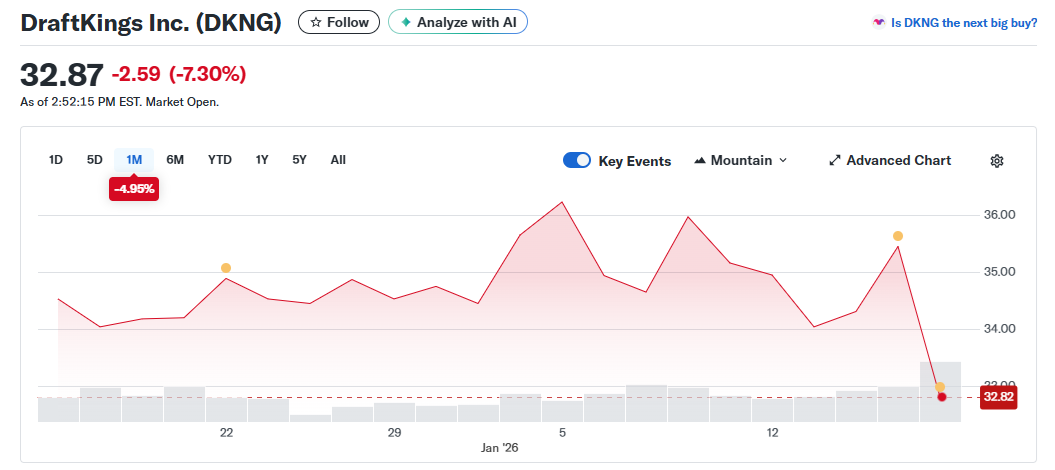
Gambling stocks tumble as platforms lose share to Kalshi and Polymarket
Clients Can Fund IBKR Accounts Via USDC

Trending news
MoreCrypto prices
More






