
News
Stay up to date on the latest crypto trends with our expert, in-depth coverage.
1Bitget Daily Digest (Dec.25)|Mt. Gox Hacker May Have Sold 1,300 BTC Within 7 Days; Metaplanet Plans to Accumulate 210,000 BTC by End-2027; U.S. Initial Jobless Claims Come in at 214,0002Where Did the Funds Go After the Meme Craze? Deep Dive into the Prediction Market Track and the Top 5 Dark Horses on the BNB Chain3 BTC Price Holds Firm as Altcoins Bleed—Is the Capital Rotating Back to Bitcoin?

Price predictions 9/26: BTC, ETH, XRP, BNB, SOL, DOGE, ADA, HYPE, LINK, AVAX
Cointelegraph·2025/09/26 21:36
Bullish Bitcoin bets unraveled below $110K: Will October revive risk-on sentiment?
Cointelegraph·2025/09/26 21:36
AiCoin Daily Report (September 26)
AICoin·2025/09/26 21:10


Plasma Mainnet Beta Launches With XPL Token Trading at $10.5 Billion FDV
TheCryptoUpdates·2025/09/26 20:51

Ethereum whales accumulate $1.6 billion in ETH as price falls below $4,000
TheCryptoUpdates·2025/09/26 20:51
BlackRock requires strong investor demand before launching altcoin ETFs
TheCryptoUpdates·2025/09/26 20:51
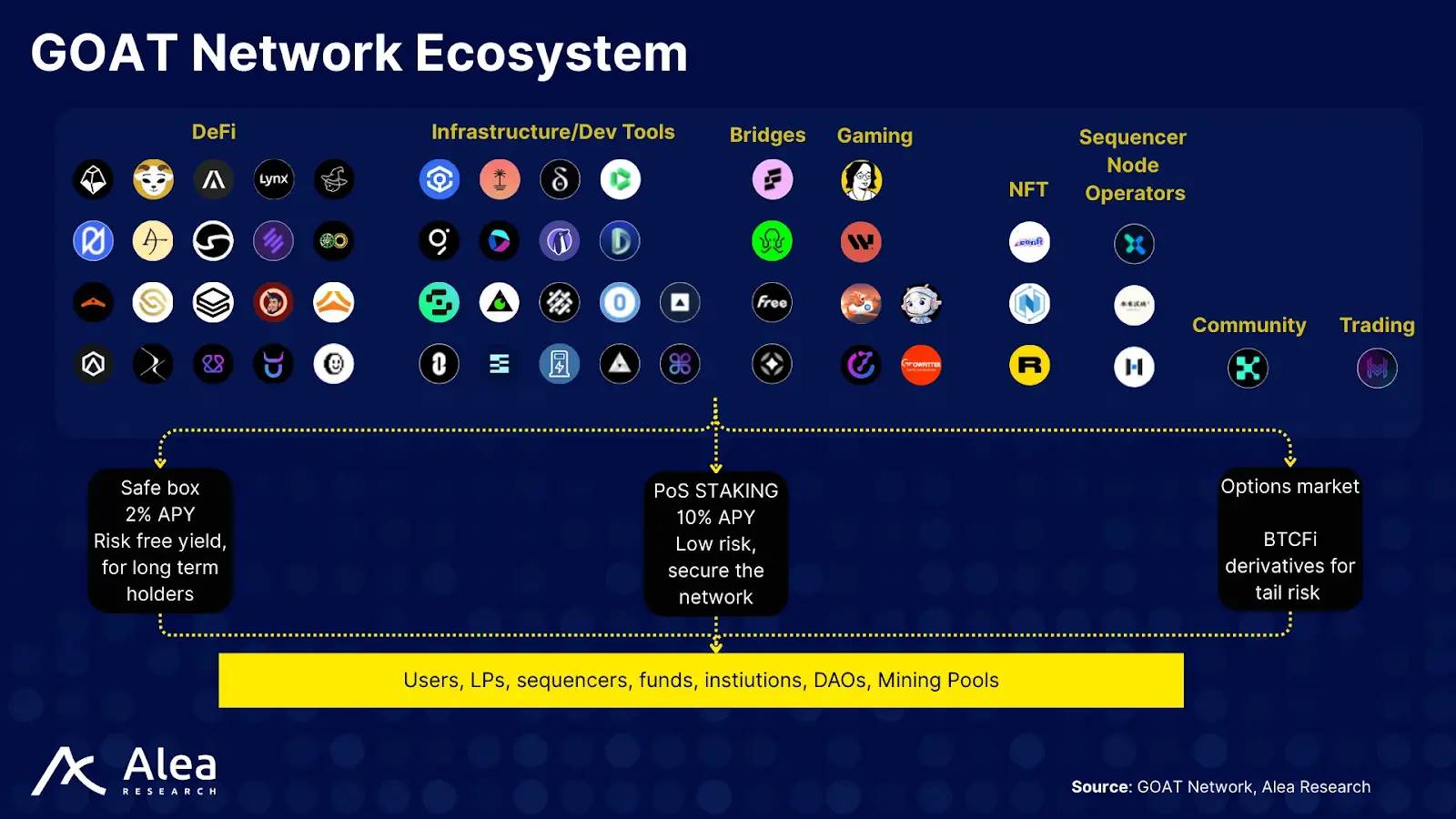
The "Fog" and "Lighthouse" of Bitcoin L2: GOAT Network's Path Choices and Industry Baseline
When everyone can call themselves Layer2, a more fundamental question emerges: What does the Bitcoin ecosystem truly need?
深潮·2025/09/26 20:24

Japan’s Crypto Market Surges 120% as Stablecoins Take Over
Coindoo·2025/09/26 19:18
Flash
13:20
WLFI: USD1 market cap has surpassed 3 billionsPANews, December 25 — According to official information from WLFI, the market capitalization of USD1 has surpassed $3 billion. The project stated that it is still in its early stages, and building the financial infrastructure of the future remains its core mission.
13:20
Ethereum's 2026 Glamsterdam hard fork will raise the gas limit to 200 millions and introduce parallel processing technologyAccording to TechFlow, on December 25, Cointelegraph reported that Ethereum will undergo a critical scalability upgrade in 2026. The upcoming Glamsterdam hard fork will introduce perfect parallel processing technology, with the gas limit expected to increase significantly from the current 60 million to 200 million. At the same time, about 10% of validators will switch to zero-knowledge proof (ZK) verification. These improvements will pave the way for the Ethereum L1 network, making it possible to reach a processing capacity of 10,000 transactions per second. In addition, the number of data blocks will also increase significantly, possibly reaching 72 or more per block, which will enable Layer 2 networks (L2) to process hundreds of thousands of transactions per second. The Heze-Bogota hard fork, planned for the end of the year, will focus on enhancing the network's censorship resistance, further strengthening Ethereum's decentralized characteristics.
13:15
Analysis: 2026 will be a critical period for Ethereum scaling, with the gas limit set to increase significantly from 60 million to 200 millionBlockBeats News, December 25, according to Cointelegraph, the coming year will be a critical period for Ethereum scaling. By 2026, Ethereum will undergo the Glamsterdam fork, an upgrade that will introduce nearly perfect parallel processing capabilities to the mainnet and significantly increase the Gas limit from the current 60 million to 200 million. A large number of validators will shift from re-executing transactions to verifying zero-knowledge (ZK) proofs. This transition will put Ethereum Layer 1 on a path to scalability of 10,000 transactions per second (TPS) or even higher, although this goal will not be achieved as early as 2026. Meanwhile, data blocks will increase (each block may reach 72 or more), enabling L2s to process hundreds of thousands of transactions per second. L2s are also becoming increasingly user-friendly; ZKsync’s recent Atlas upgrade allows funds to remain on the mainnet while transactions are executed in the fast execution environment of chains within the ZKsync elastic network. The planned Ethereum interoperability layer will enable seamless cross-chain operations between L2s, privacy will become a focal point, and the goal of the Heze-Bogota fork is to enhance censorship resistance by the end of the year.
News