
News
Stay up to date on the latest crypto trends with our expert, in-depth coverage.

1Bitget Daily Digest (Jan.16)|CME to Launch ADA, LINK and XLM Futures on Feb 9; Bitmine Purchases 24,068 ETH; Polygon Lays Off 30% to Pivot Toward Stablecoin Payments2Atomic Wallet raises red flags in viral $479k Monero loss claim3Bitcoin Sheds 30% of Open Interest: Is a Rebound Imminent?

Ethereum Faces Challenges: Market Trends and Investor Insights
Cointurk·2026/01/17 10:24
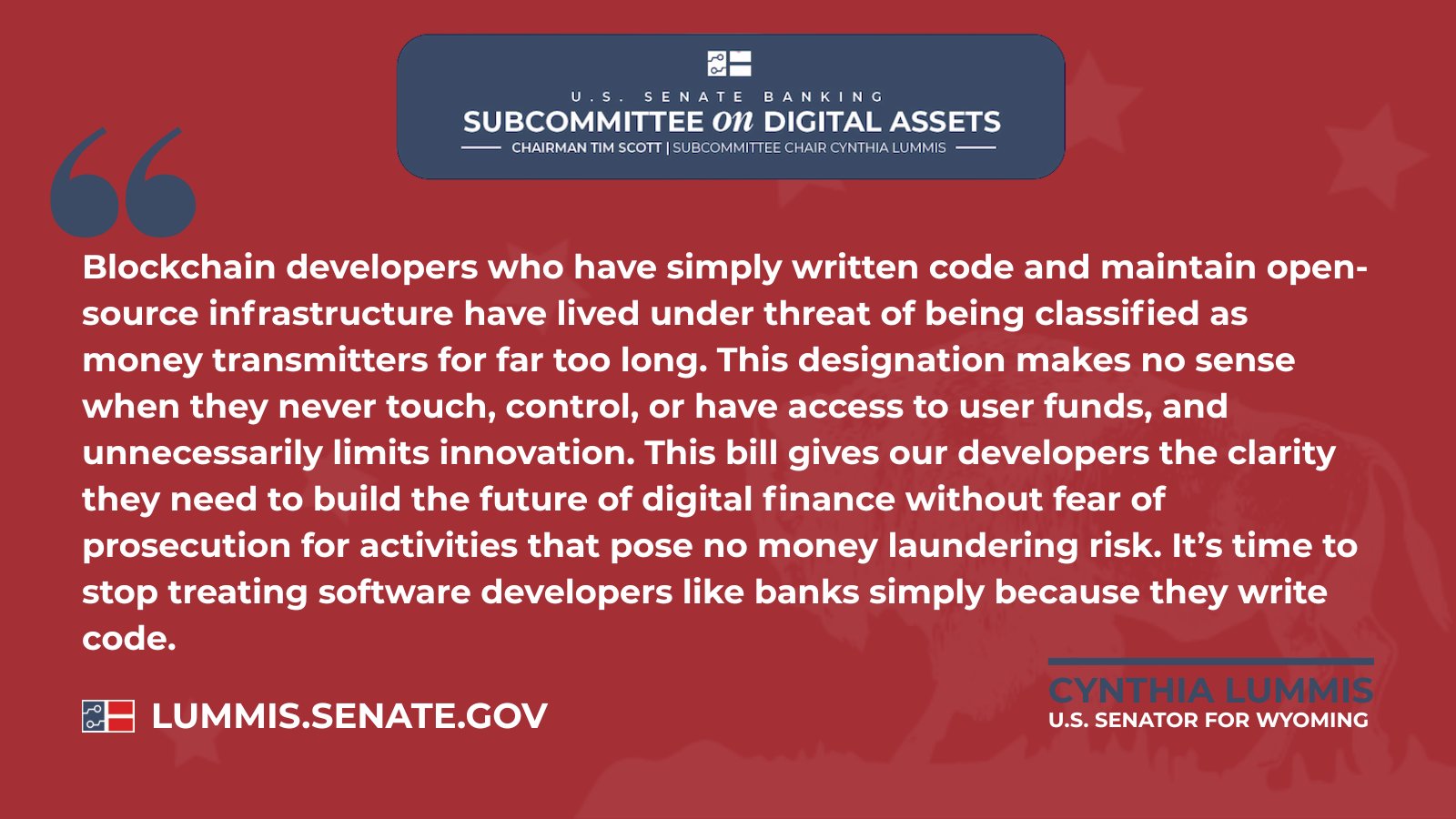
Senate Judiciary flags DeFi oversight ‘gaps’ in U.S. crypto bill
AMBCrypto·2026/01/17 10:03
Morph Integrates RedStone Oracle for Real-Time, Secure Pricing for On-Chain Payments
BlockchainReporter·2026/01/17 10:00

SwissBorg Hooks Base for Killer Crypto Swaps – Kriptoworld.com
Kriptoworld·2026/01/17 09:51
TRON Holds Long-Term Ascending Channel as Weekly Trend Stays Firm
Cryptotale·2026/01/17 09:48
UK laws won’t limit the spread of Grok’s harm, former lawmaker reveals
Cointelegraph·2026/01/17 09:39
Elon Musk was previously a supporter of a $10 billion OpenAI ICO, according to internal documents
101 finance·2026/01/17 08:45
Bitcoin’s Fixed Supply Keeps Edge Over Gold, Says Cathie Wood
Cryptotale·2026/01/17 08:03

XRP Feels Dead at $2, Past Cycles Say That Feeling Doesn’t Last
CoinEdition·2026/01/17 07:51
Musk seeks up to $134 billion from OpenAI, Microsoft in 'wrongful gains'
101 finance·2026/01/17 07:36
Flash
10:21
Pudgy Penguins launches OpenSea OG and Penguin soulbound tokensForesight News reports that the NFT collection Pudgy Penguins has launched OpenSea OG and Penguin Soulbound Tokens (SBTs). These tokens are created to commemorate two groups of users who purchased Pudgy Penguins or Lil Pudgy NFTs through the OpenSea marketplace. The OpenSea OG SBT is designed to recognize users who have never sold their Pudgy Penguin or Lil Pudgy on OpenSea and has already been airdropped; the OpenSea Penguin SBT is awarded to all buyers who have purchased Pudgy Penguin or Lil Pudgy on OpenSea and must be claimed manually.
10:17
Tom Lee: 2026 May Be the Key Year for Ethereum's Full BreakoutJinse Finance reported that Tom Lee, Chairman of BitMine and co-founder of Fundstrat, stated at the latest BitMine shareholders' meeting that Ethereum is at the core of a new round of financial infrastructure transformation, and 2026 may become a key year for Ethereum's full-scale breakout. Tom Lee pointed out that Ethereum reached a historical high in the ETH/BTC exchange rate in 2021. With the tokenization of real-world assets and the accelerated adoption by mainstream financial institutions and users, this ratio is expected to surpass its previous high again in 2026. A certain exchange also regards 2026 as the "Year of Ethereum" and predicts that the price of Ethereum will reach $12,000. Against this backdrop, Tom Lee emphasized that BitMine's business model will directly benefit from the rise in Ethereum's price. According to historical correlation estimates, if the price of ETH reaches $12,000, BitMine (BMNR) shares would theoretically correspond to about $500. In addition, BitMine will also generate considerable cash flow from Ethereum staking yields and ample cash reserves. The company currently holds about 4.2 million ETH and has around $1 billion in cash. Under current conditions, it is expected to generate pre-tax income of $402 million to $433 million; if the price of ETH rises to $12,000 and the company controls about 5% of the Ethereum supply, pre-tax income could expand to $2 billion to $2.2 billion.
10:12
This Firm Dropped Bitcoin Allocation Over Fears of Quantum ComputingA Jefferies strategist removed Bitcoin due to concerns over future quantum computing security risks.
The firm shifted funds to gold, favoring traditional assets over long-term crypto uncertainty.
Christopher Wood, who leads equity strategy at Jefferies, has taken out the 10% Bitcoin slice from the firm’s “Greed & Fear” model portfolio. Bloomberg reports that he made the move after raising concerns about how quantum computing could eventually undermine Bitcoin’s cryptographic defenses.
Wood believes that advances in quantum computing technology could open up loopholes in the encryption mechanisms that have been the backbone of the Bitcoin network’s security. If quantum computers were one day able to break the link between public and private keys, the current digital signature system could become vulnerable. In his view, such risks are enough to make Bitcoin lose its appeal as a long-term store of value for institutional investors.
As a result, the 10% allocation previously placed in BTC was shifted to assets considered more stable. Approximately half went into physical gold, while the remainder was placed in gold mining stocks. This move demonstrates Wood’s preference for traditional assets, which, he believes, do not rely on the resilience of digital cryptography.
Bitcoin Faces a Long-Term Quantum Question
Even so, Wood’s stance doesn’t match the outlook held by much of the crypto and tech community. Many developers and researchers argue that quantum computers powerful enough to crack today’s cryptography are still a long way off and not something that poses an immediate risk.
Some experts argue that breakthroughs tend to arrive sooner than predicted. Because quantum computing can handle highly complex math at remarkable speeds, it may end up posing a serious challenge to Bitcoin and other digital assets if steps aren’t taken early on.
The Bitcoin network, for its part, can also adapt when needed. Like many other open systems, its protocol can be updated if new threats emerge. However, the process of change on a large network like Bitcoin is not a quick one, especially when it involves global consensus and the security of trillions of dollars in assets.
On the other hand, at the end of last December, we reported that Aptos submitted proposal AIP-137, which introduces the network’s first post-quantum signature scheme.
This scheme is designed to address potential future quantum computing threats without replacing existing signature systems. This means that users are not required to migrate from Ed25519, but additional protection options are available if needed.
At the end of last November, we also highlighted a statement from VanEck, which considered the possibility of withdrawing from Bitcoin if quantum computing were truly capable of breaking its encryption. Experts speculate that the speed of quantum computing in solving complex equations could pose a direct threat to Bitcoin and other digital assets in the not-too-distant future.
Furthermore, on November 19, we reviewed Vitalik Buterin’s view that Bitcoin and Ethereum’s security could be at risk of collapse as early as 2028 due to quantum threats. He argued that reasonable solutions include early preparation, the development of lattice-based cryptography, and closer coordination among blockchain developers.
News